
What to wear to the races depends first on the enclosure printed on your ticket and then on the weather. Royal Ascot’s Royal Enclosure has a written dress code down to the width of a strap, while at the Cheltenham Festival the choice is largely yours and warm, practical tweed is what works.
This guide takes the main meetings in turn: Royal Ascot in June, Galway at the end of July, Cheltenham in March and Leopardstown at Christmas, then Melbourne’s spring carnival in October and November and the New Zealand Cup. It covers what each expects, how to layer tweed for the weather, what to wear on your feet for a day on grass, and how to order in time.
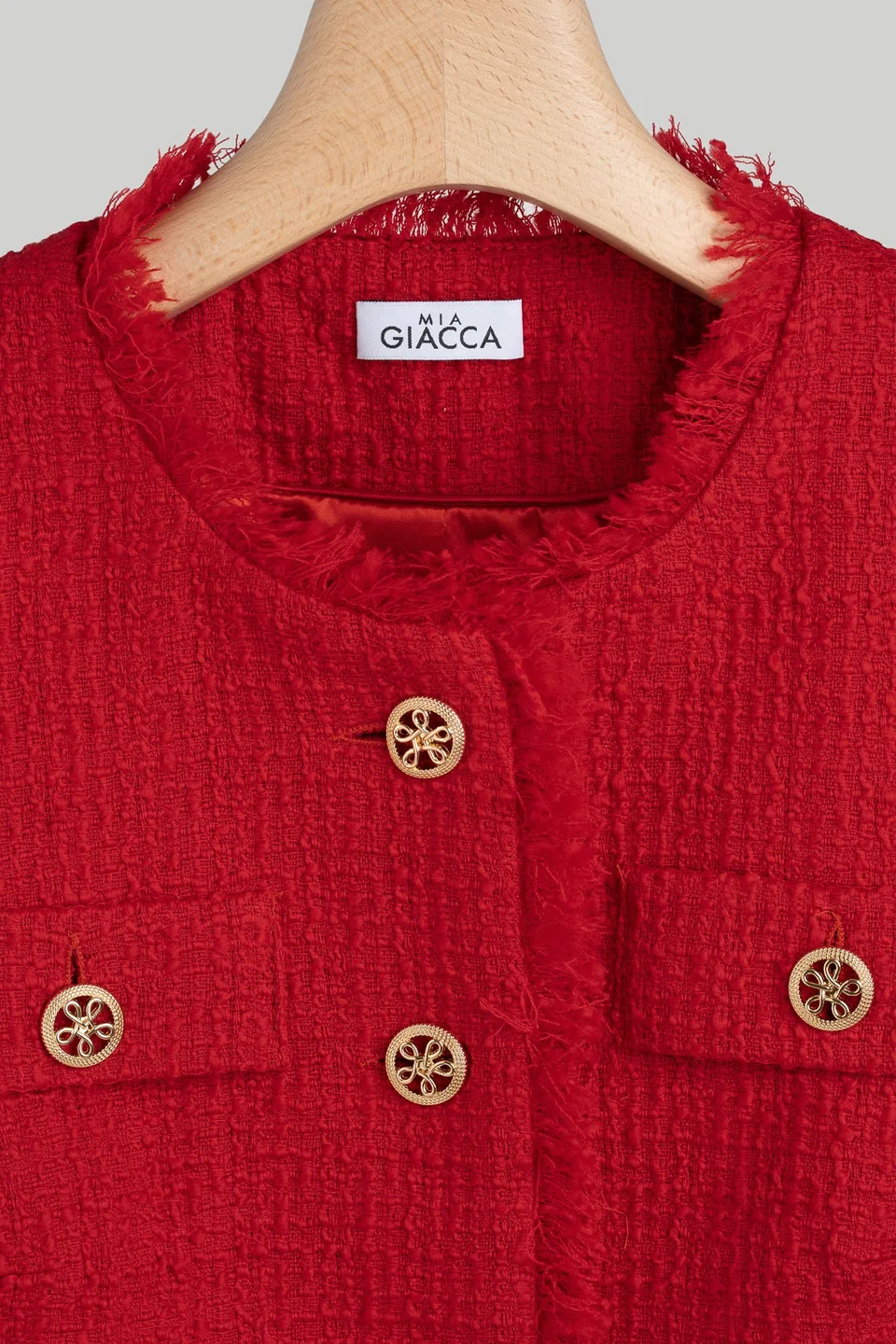
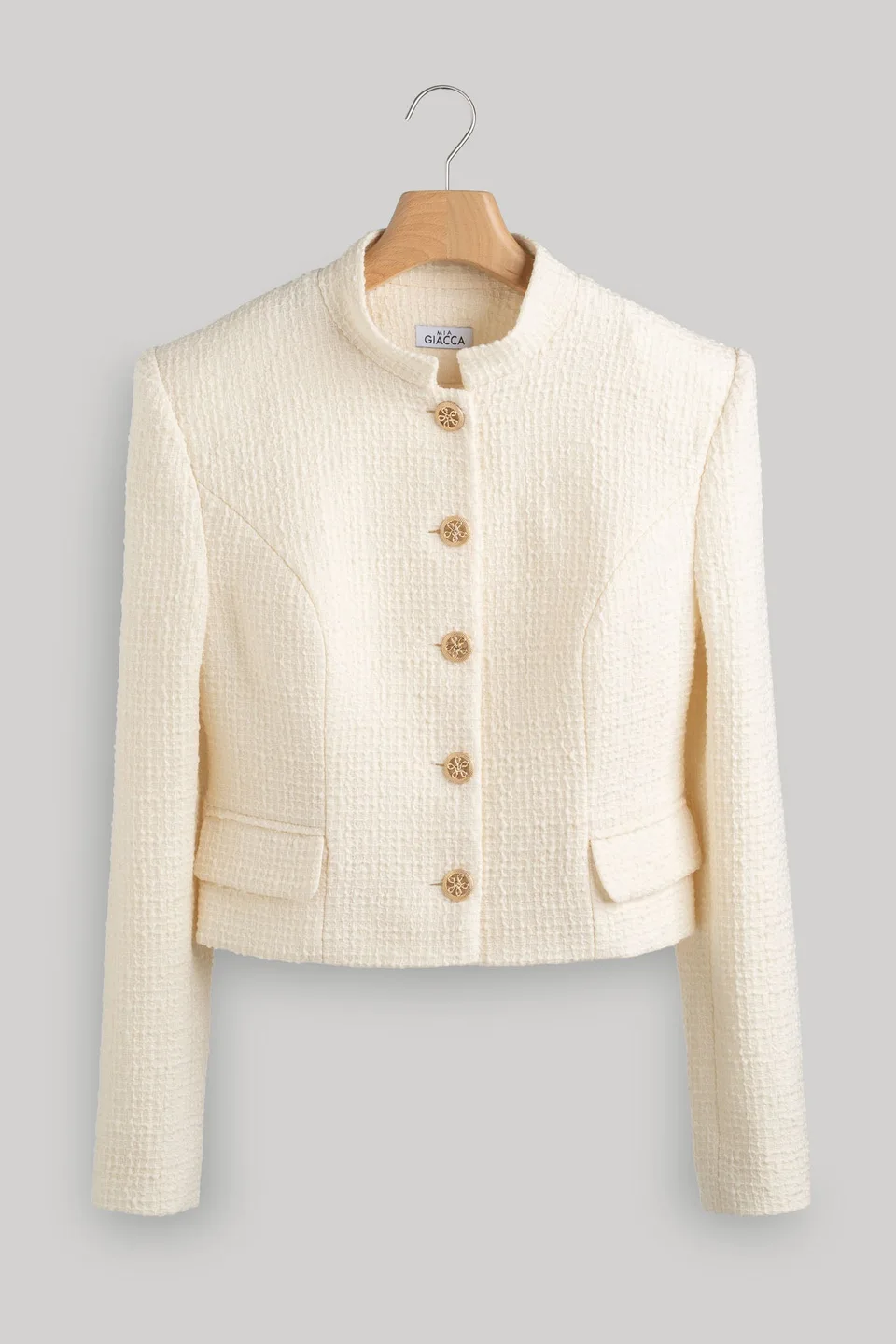
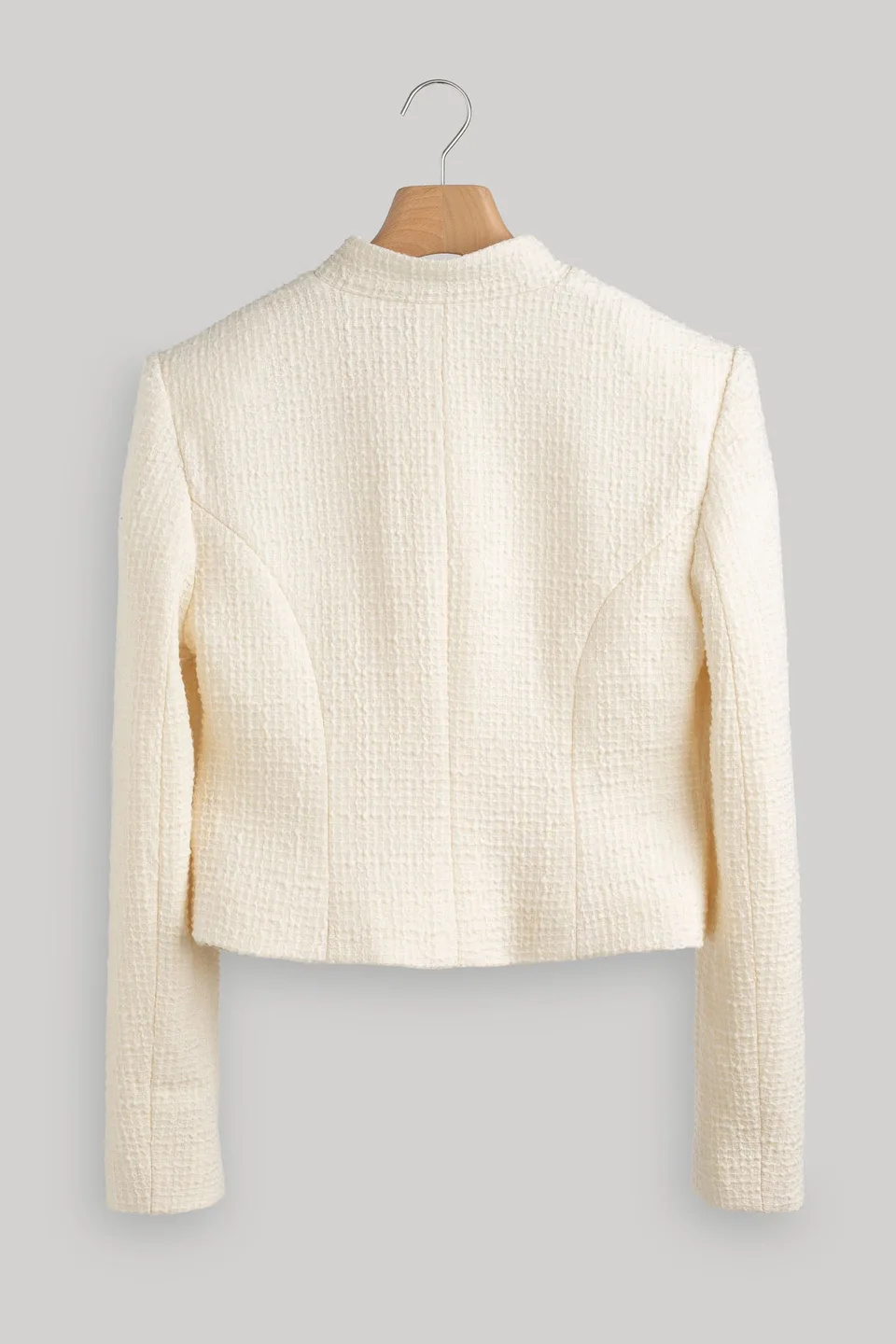
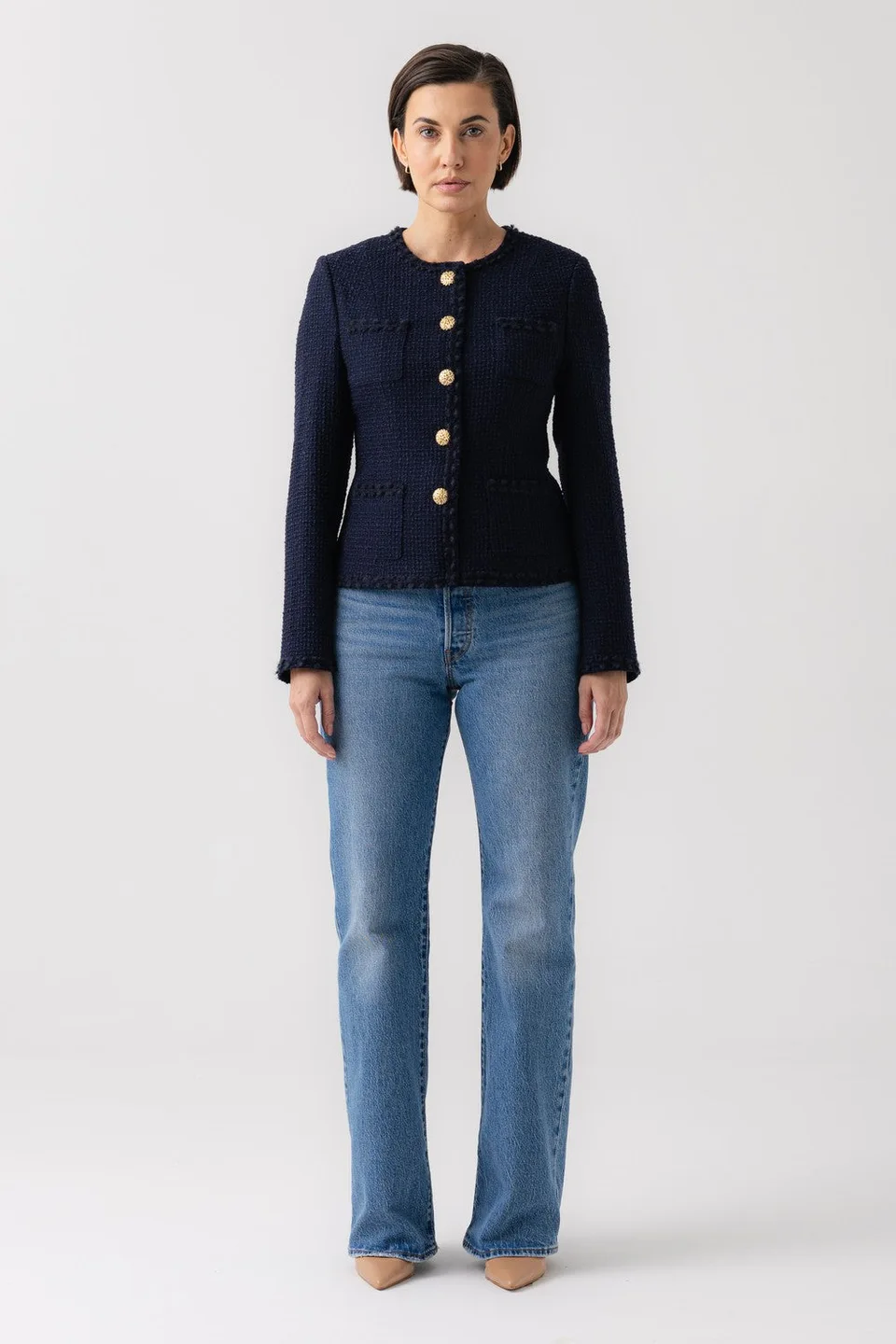
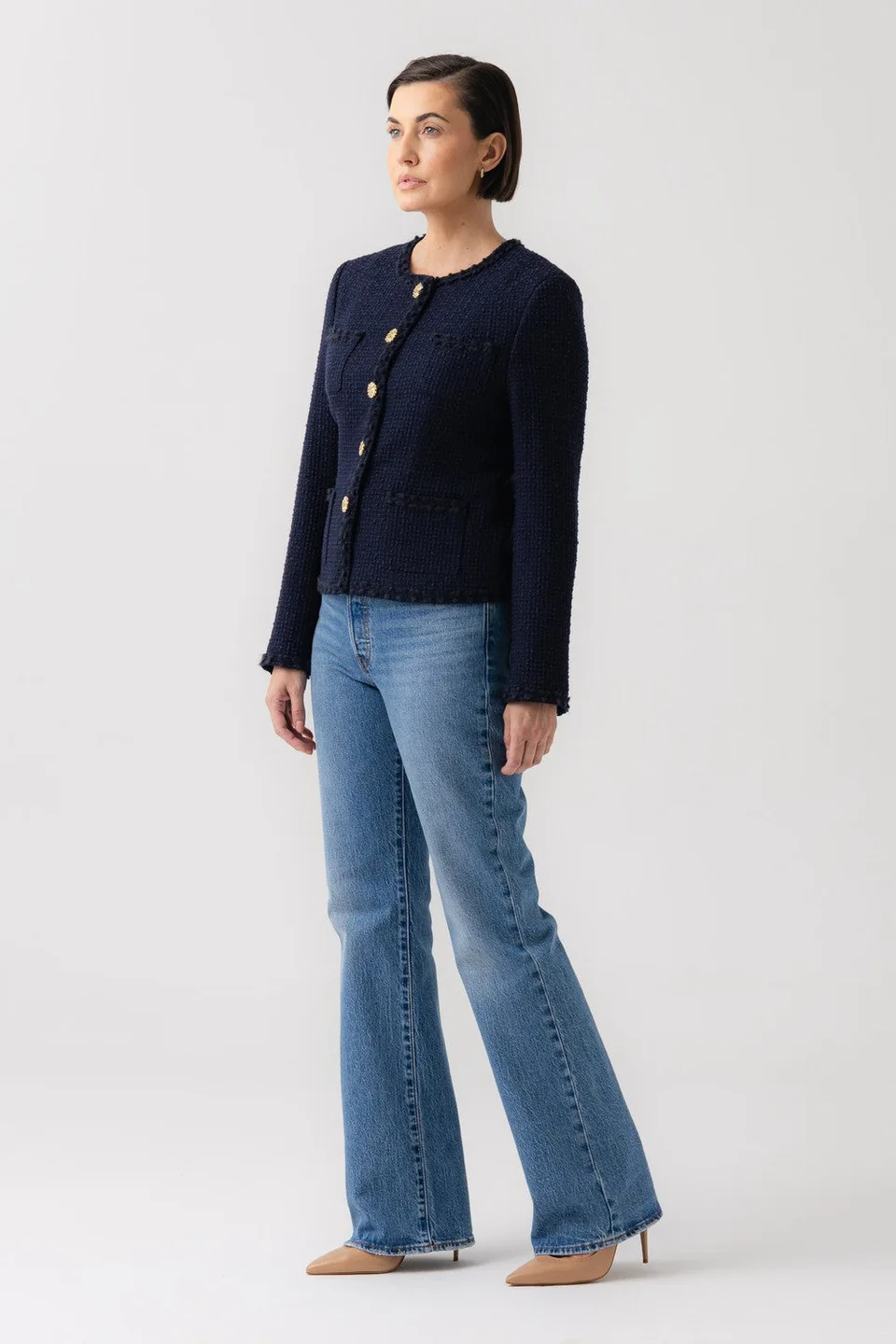
from €509
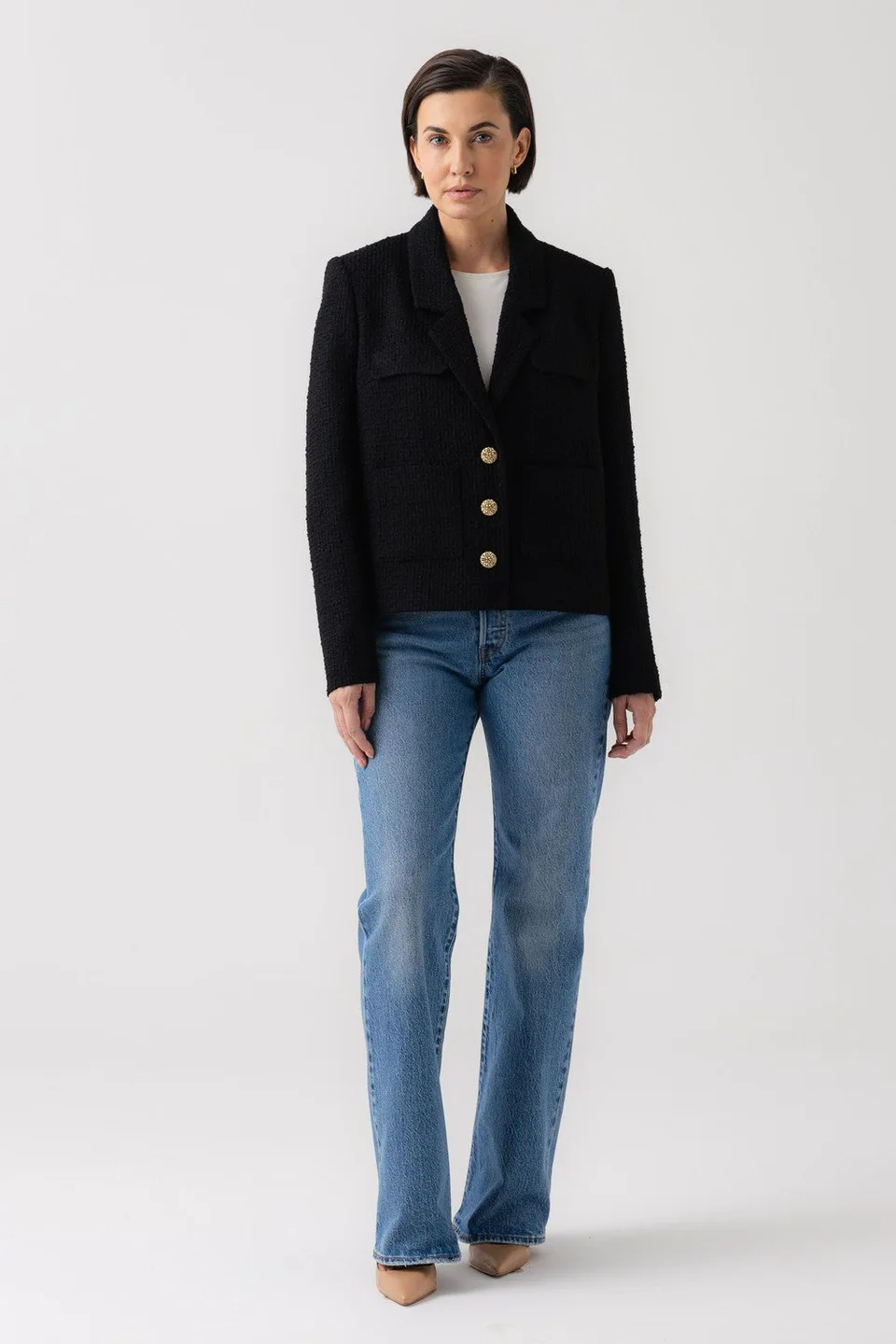
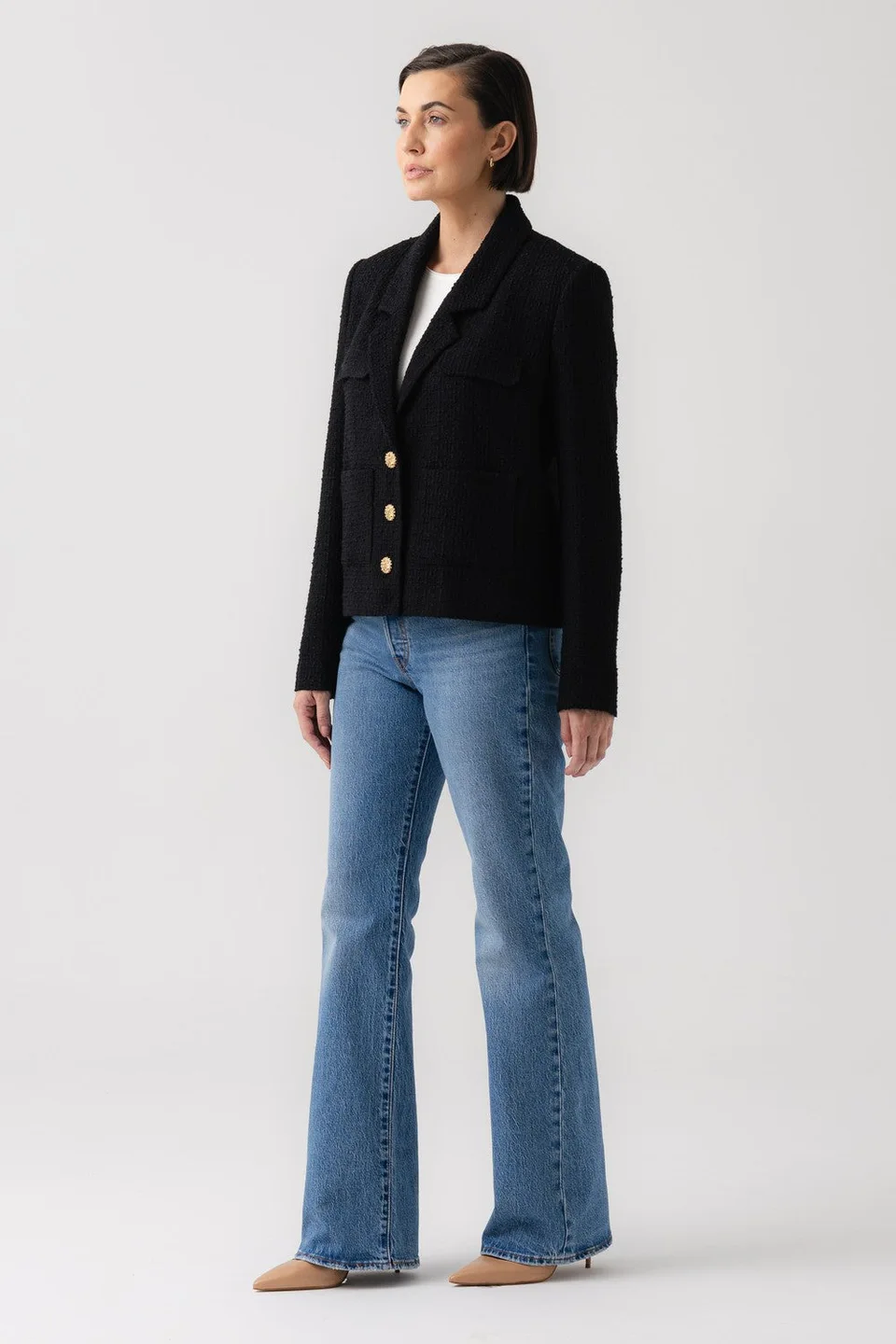
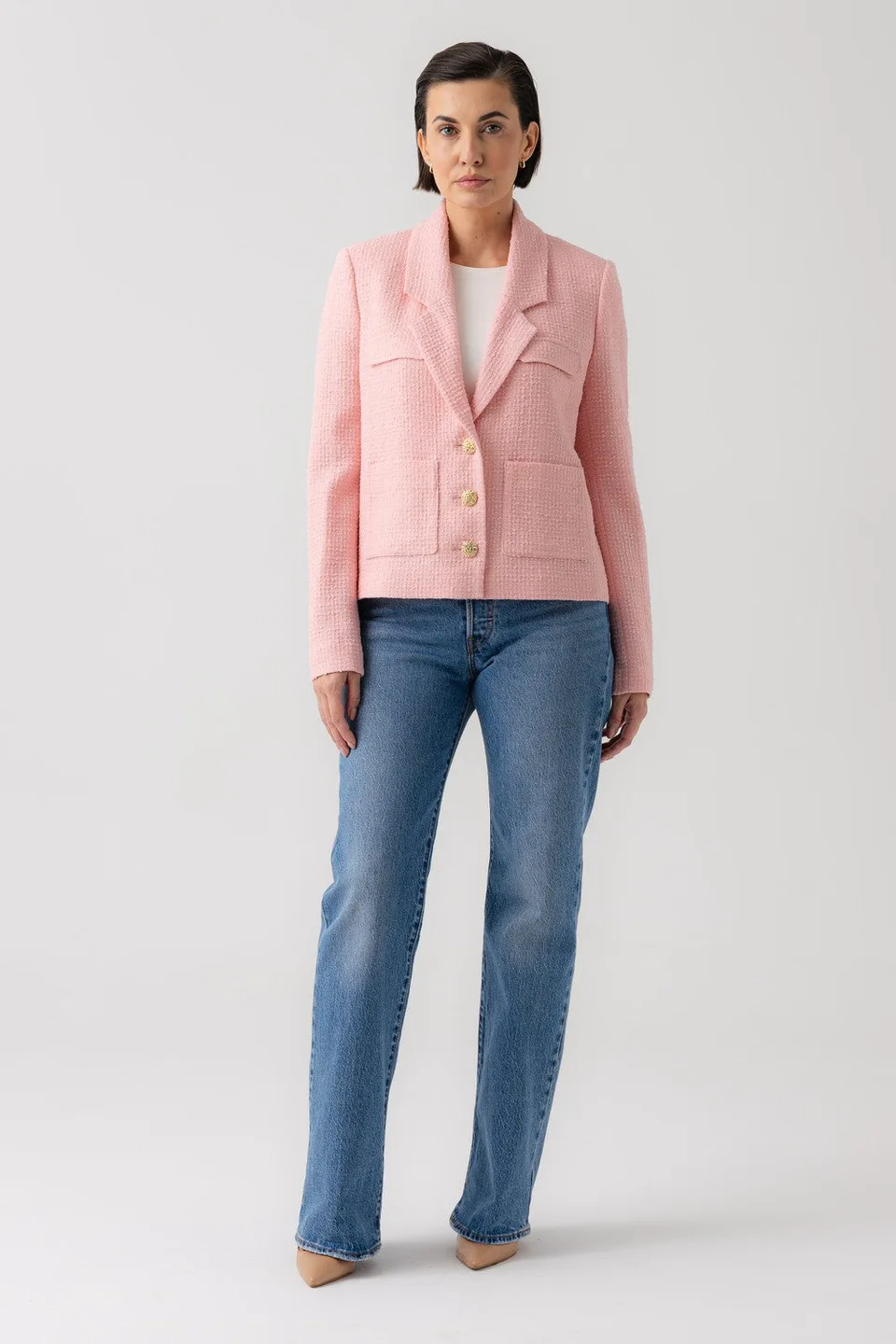
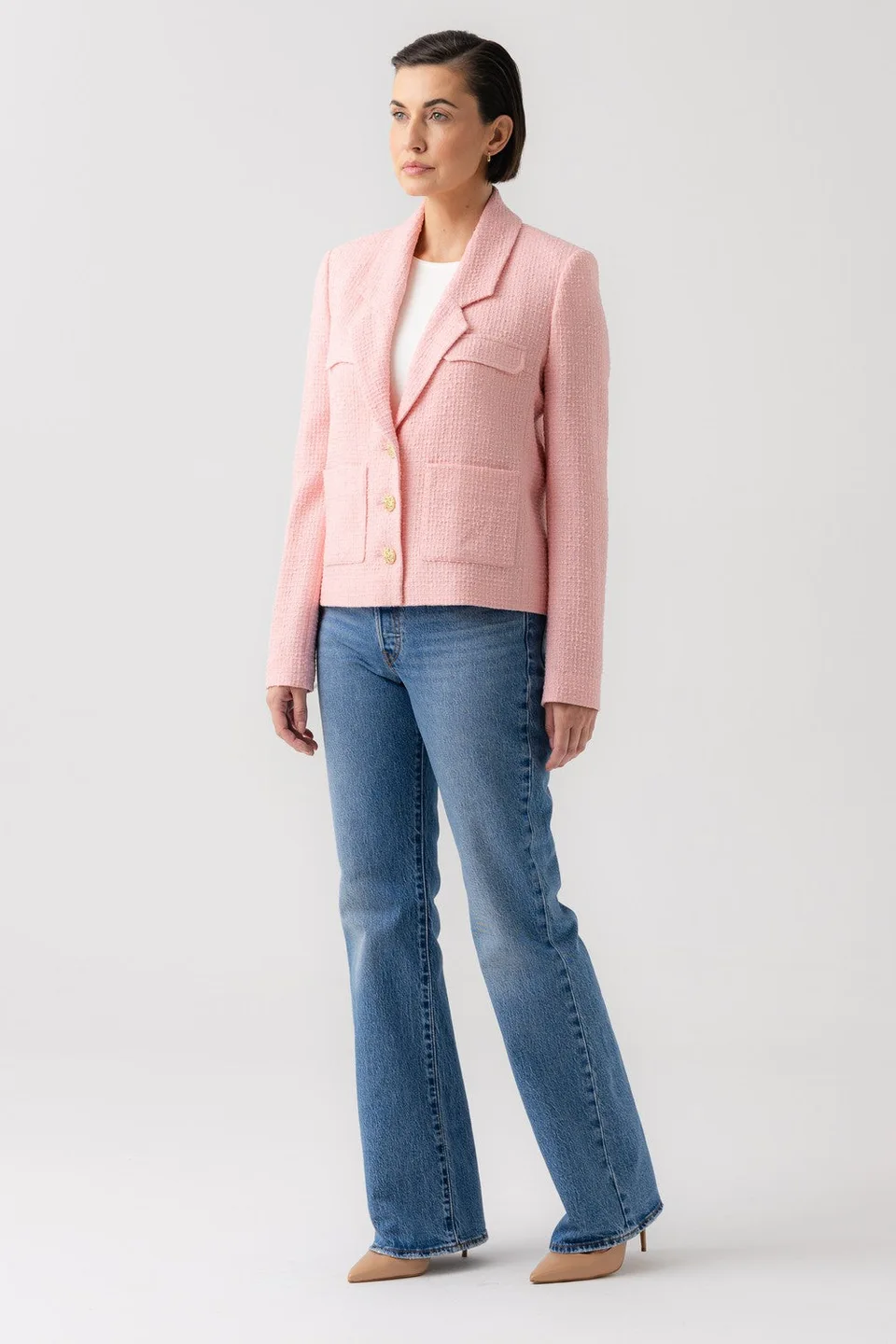
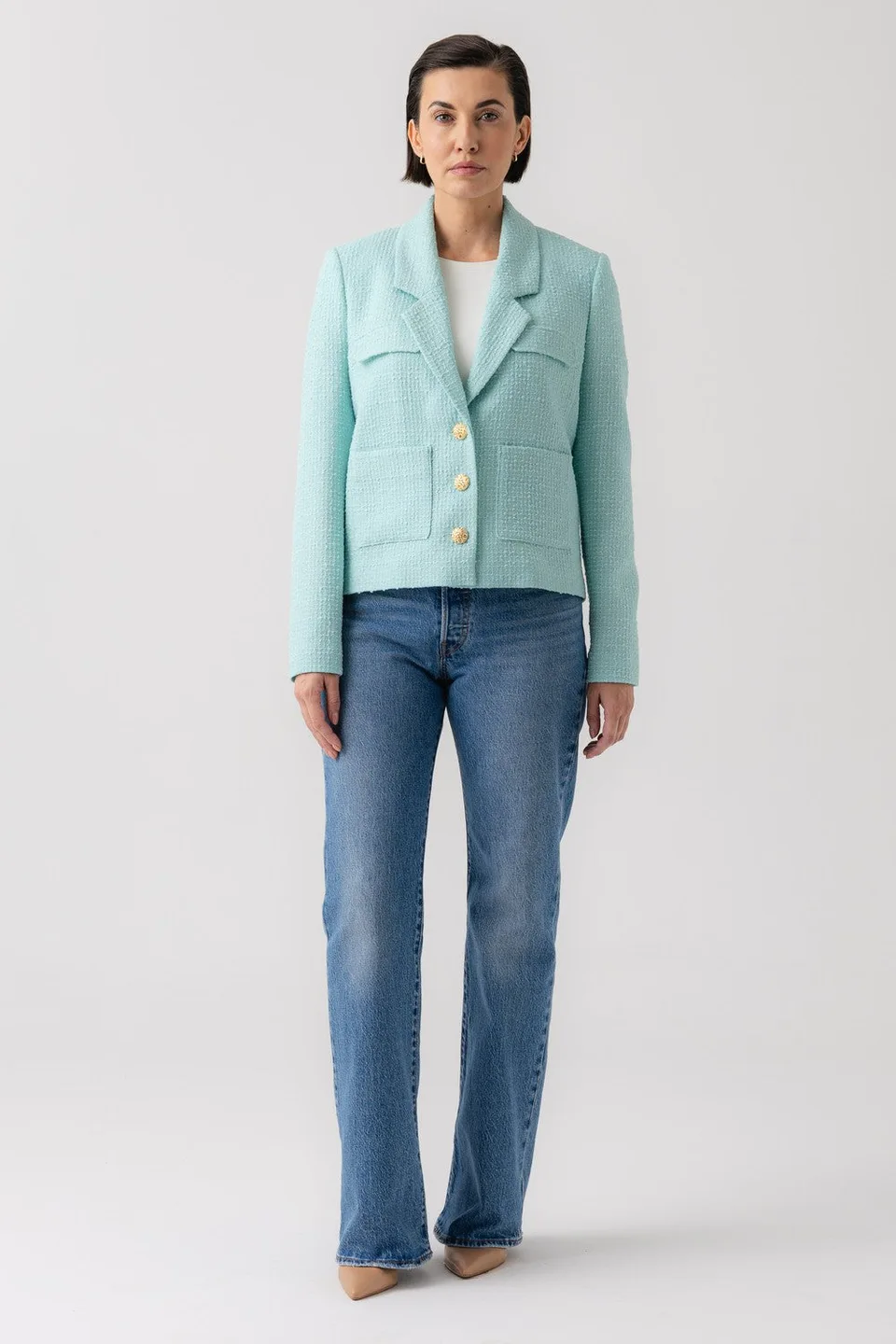
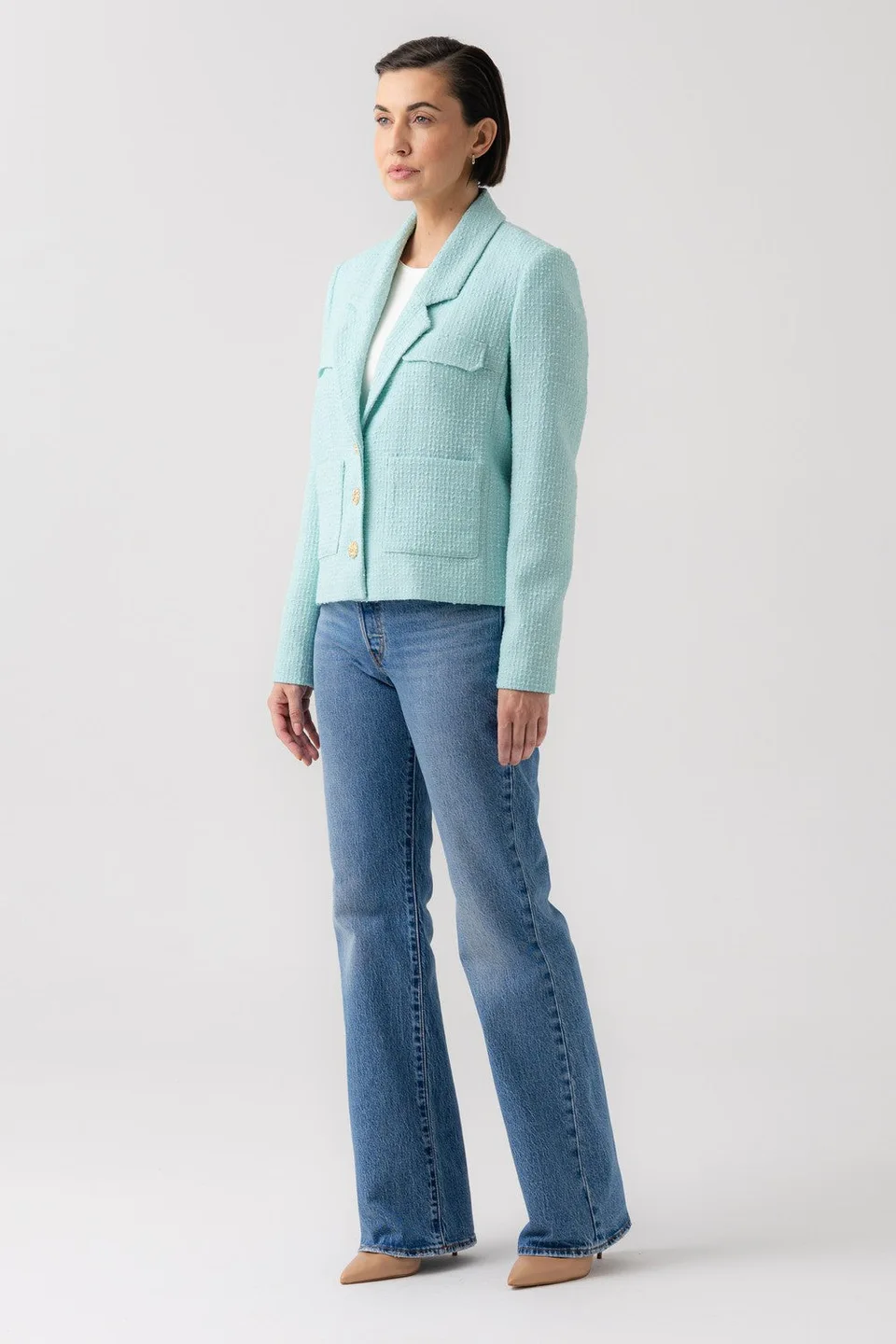
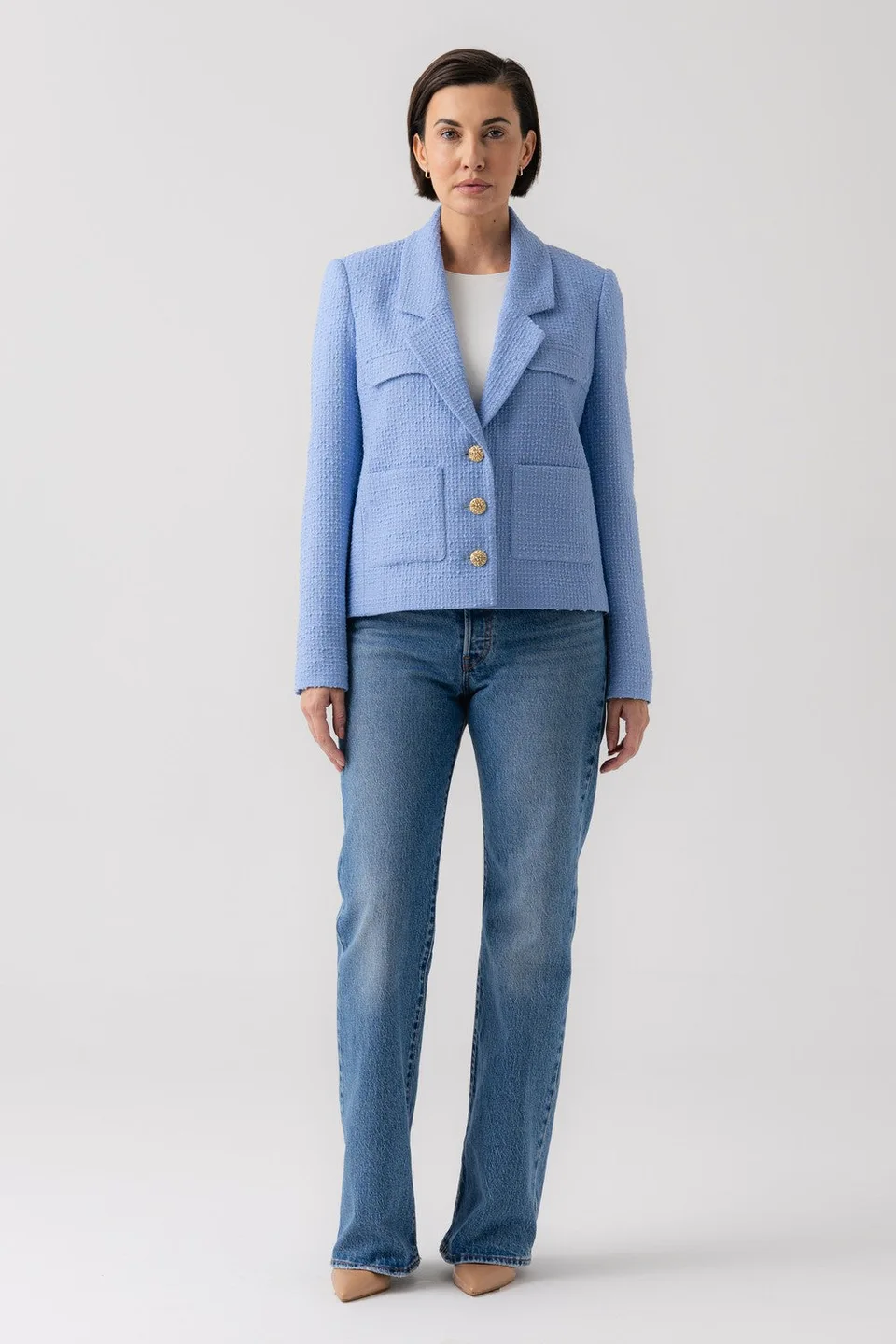
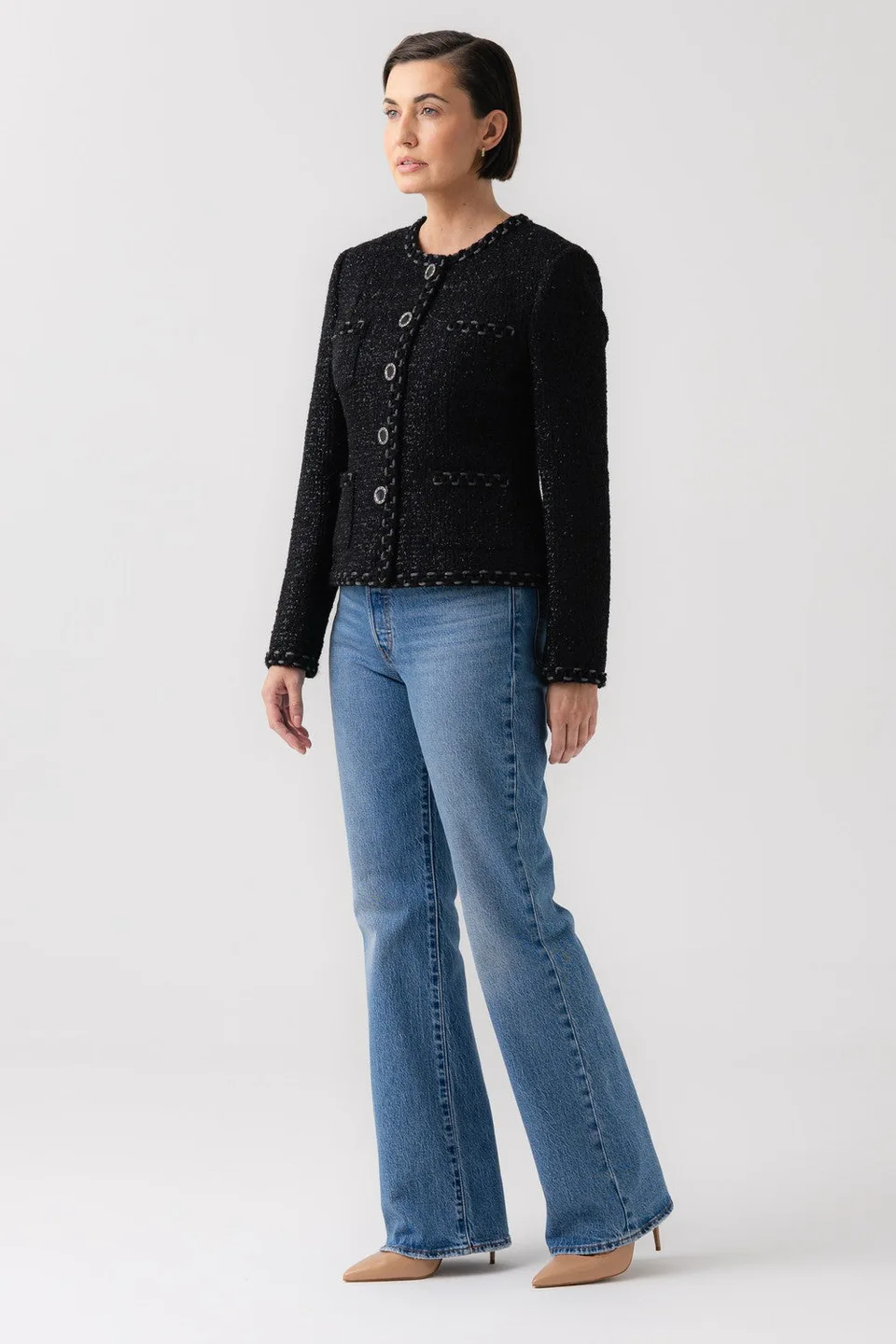
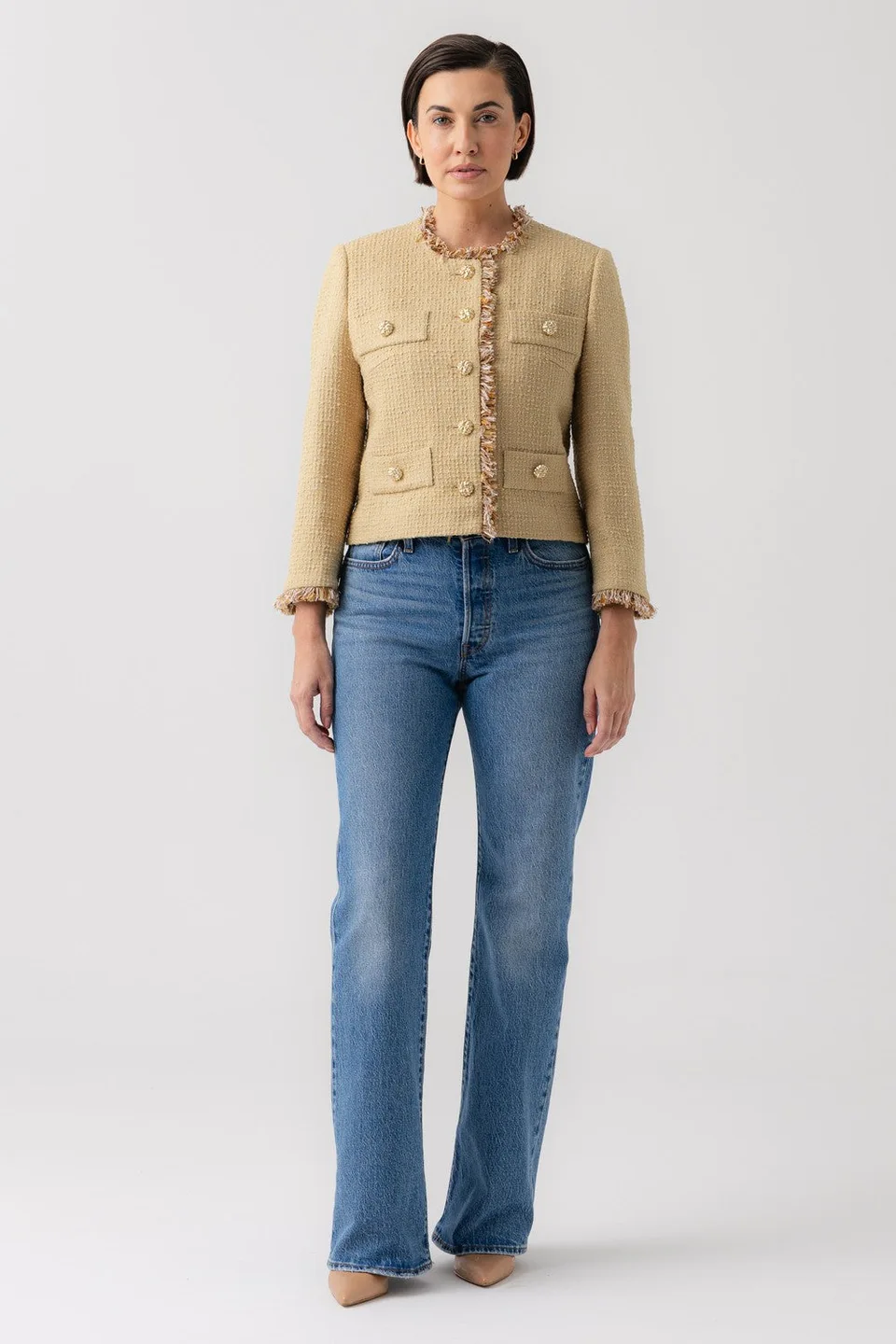
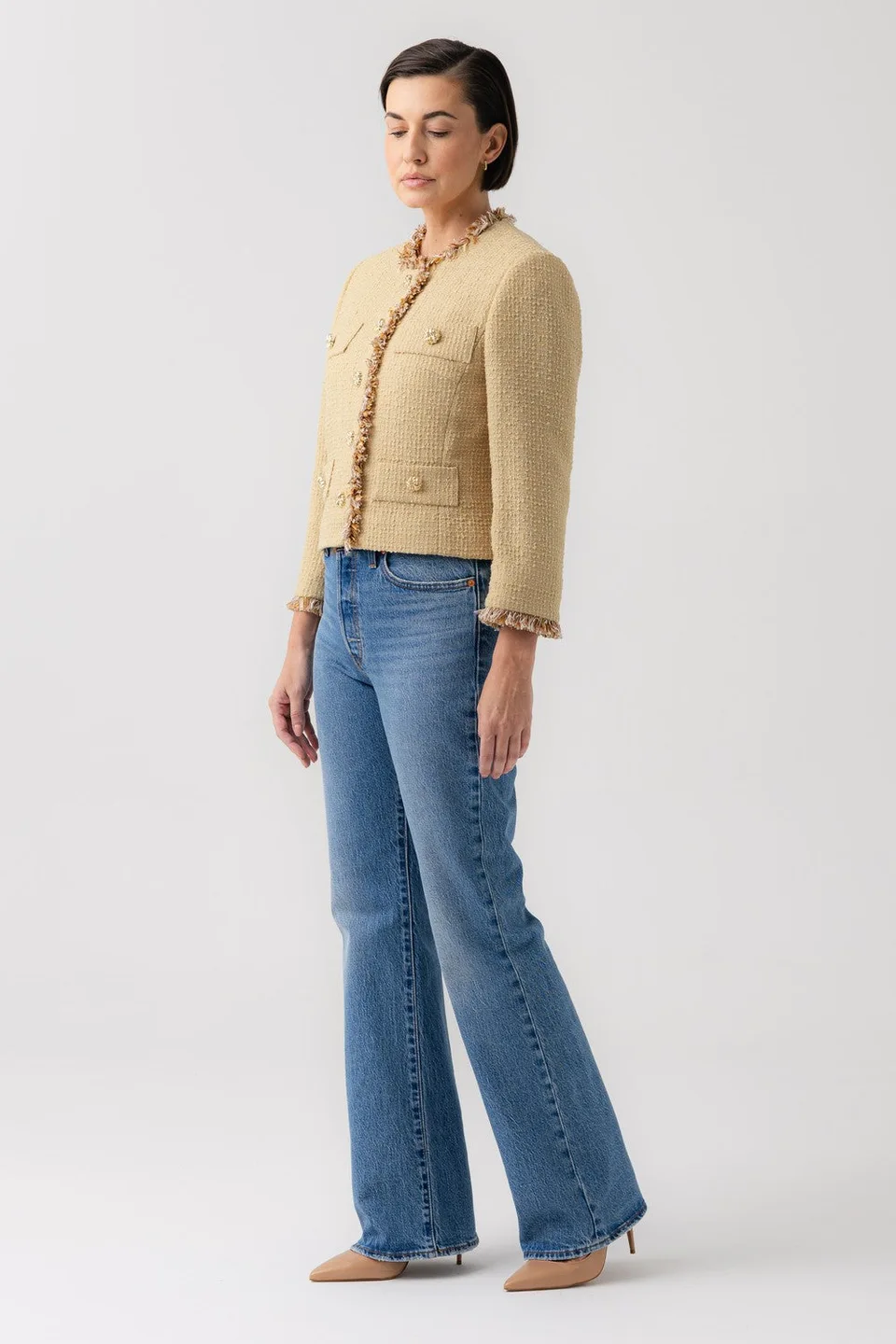
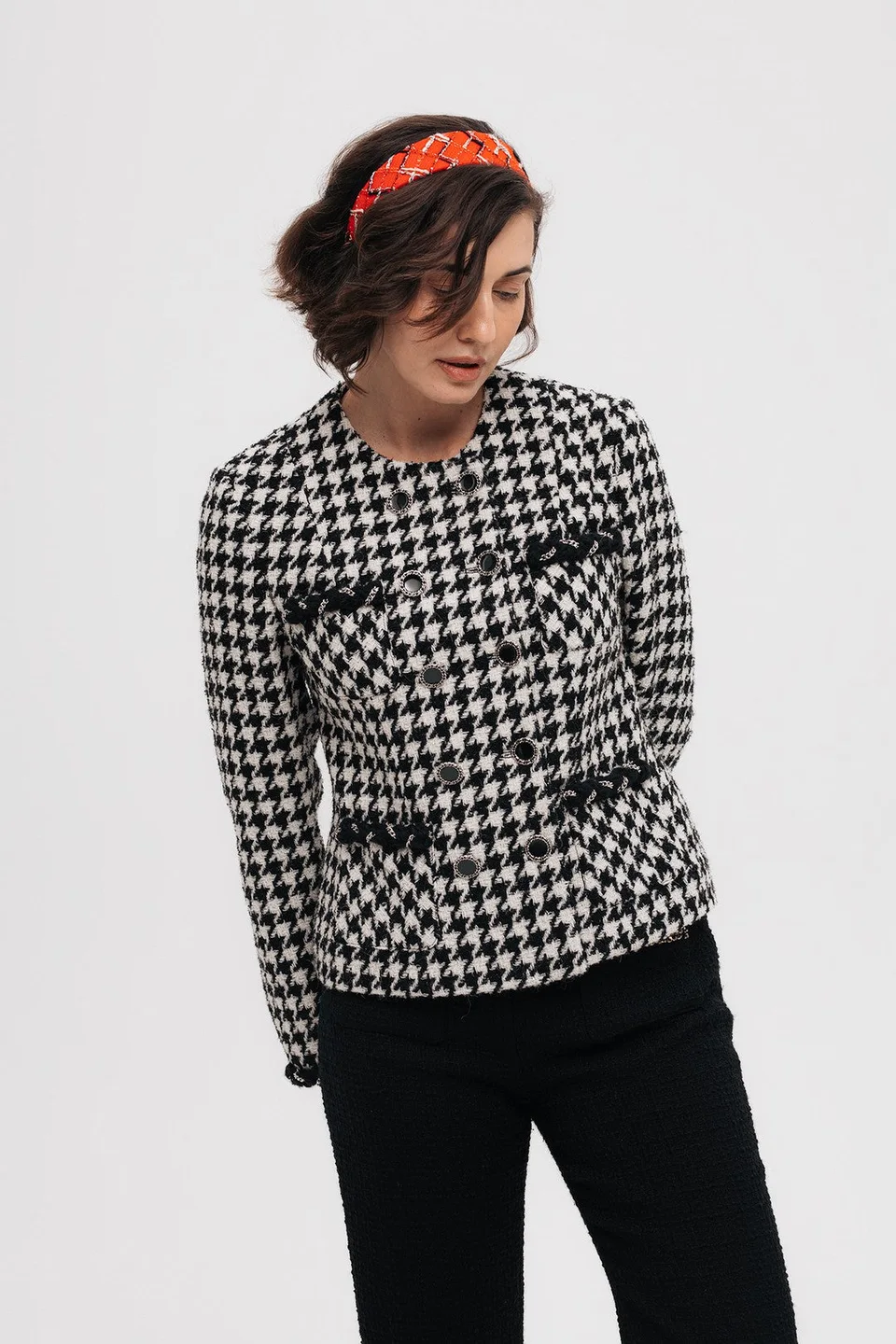
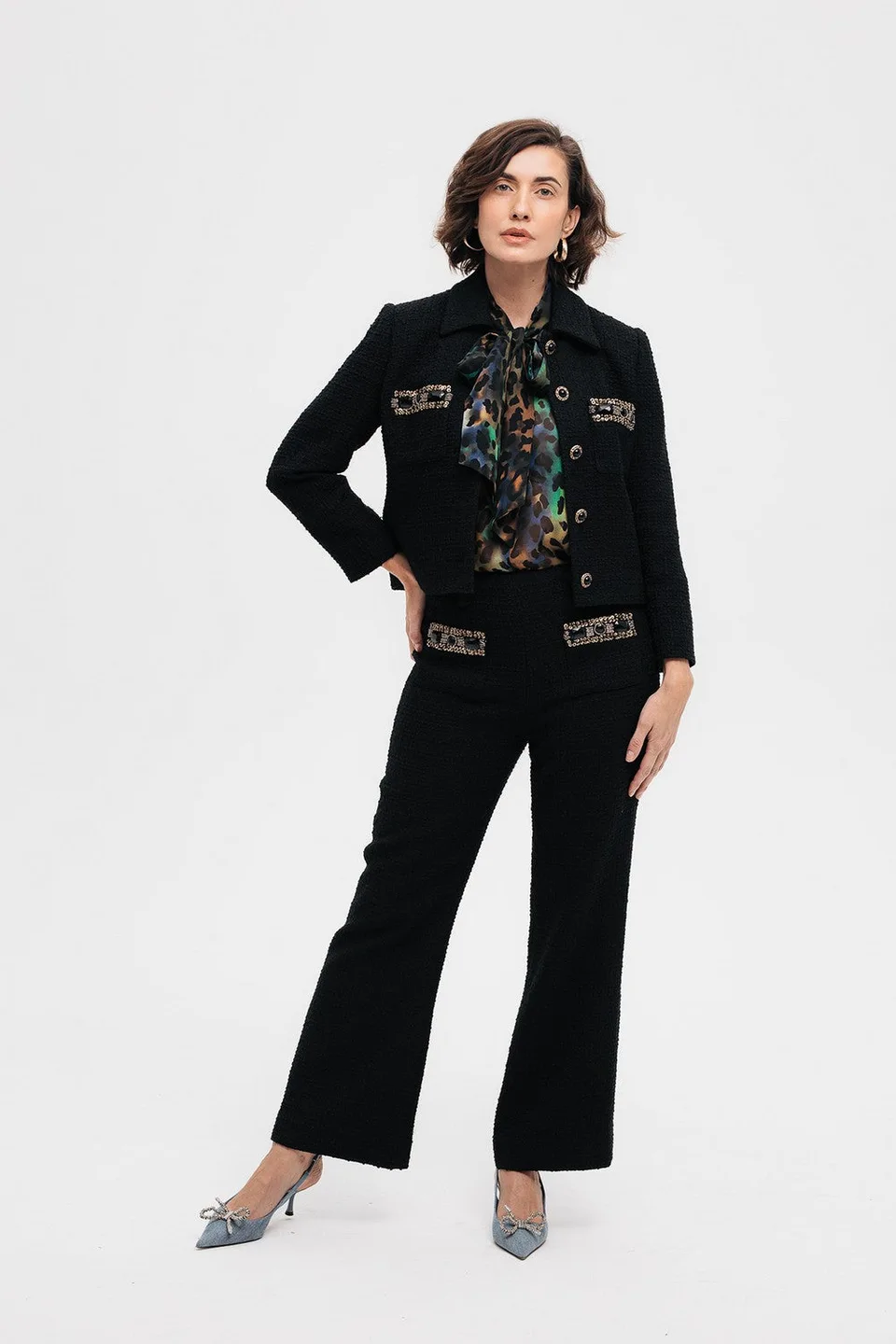
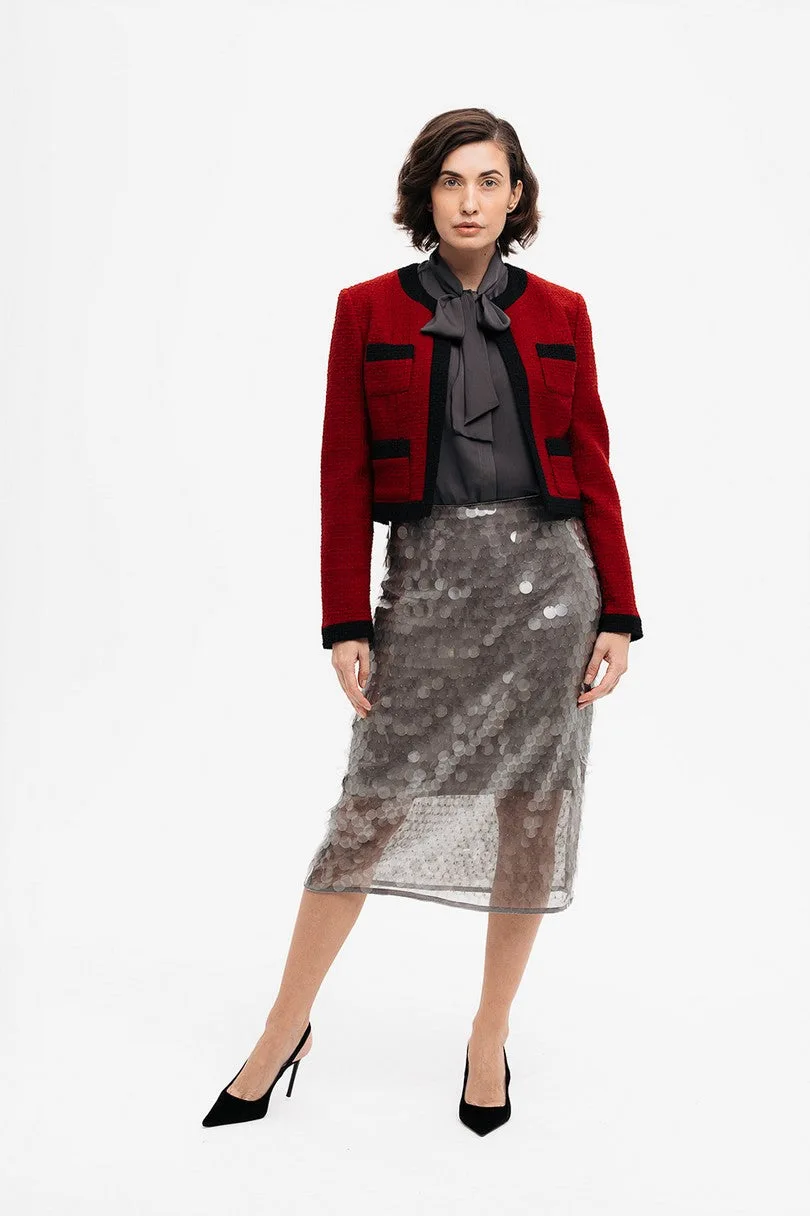
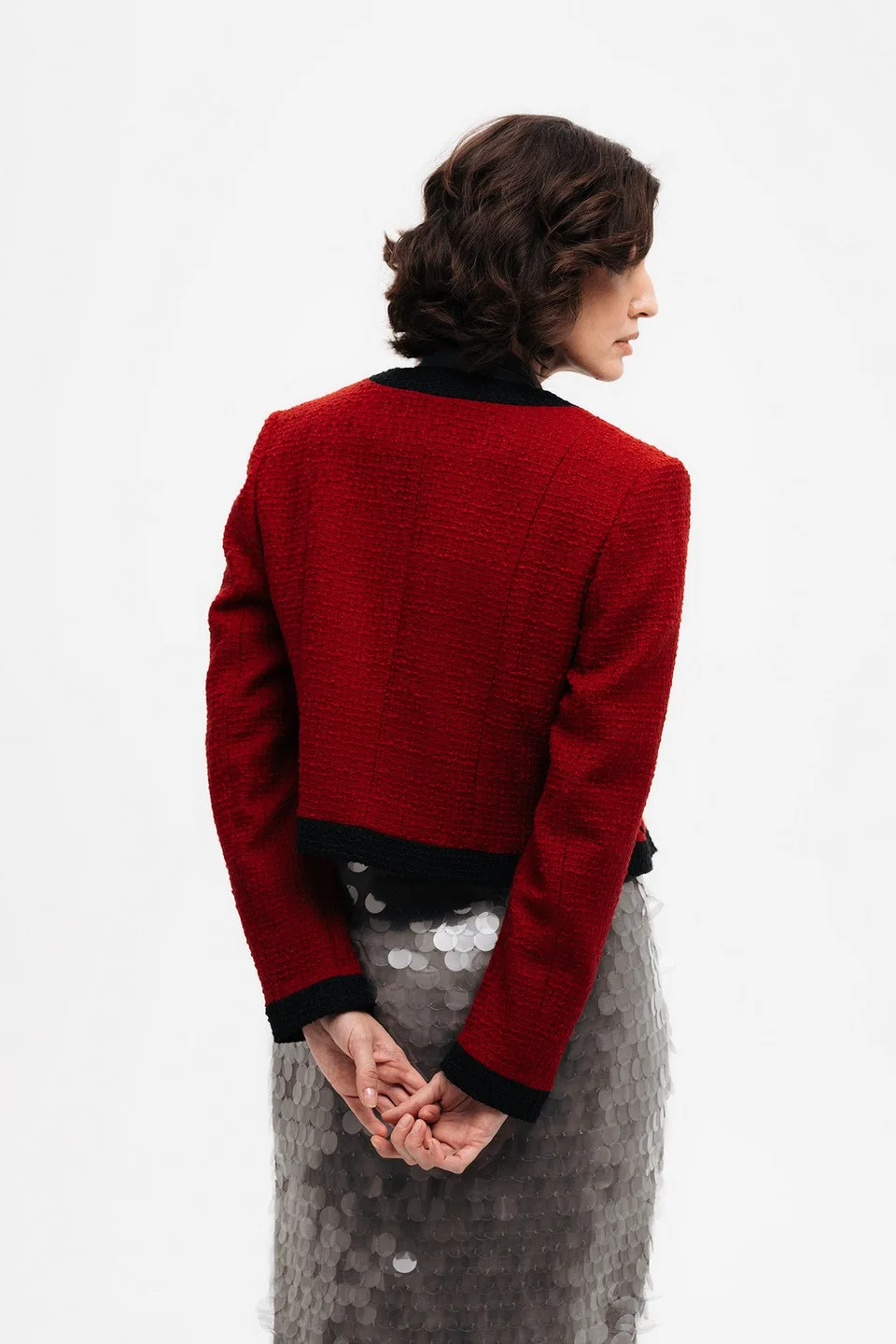
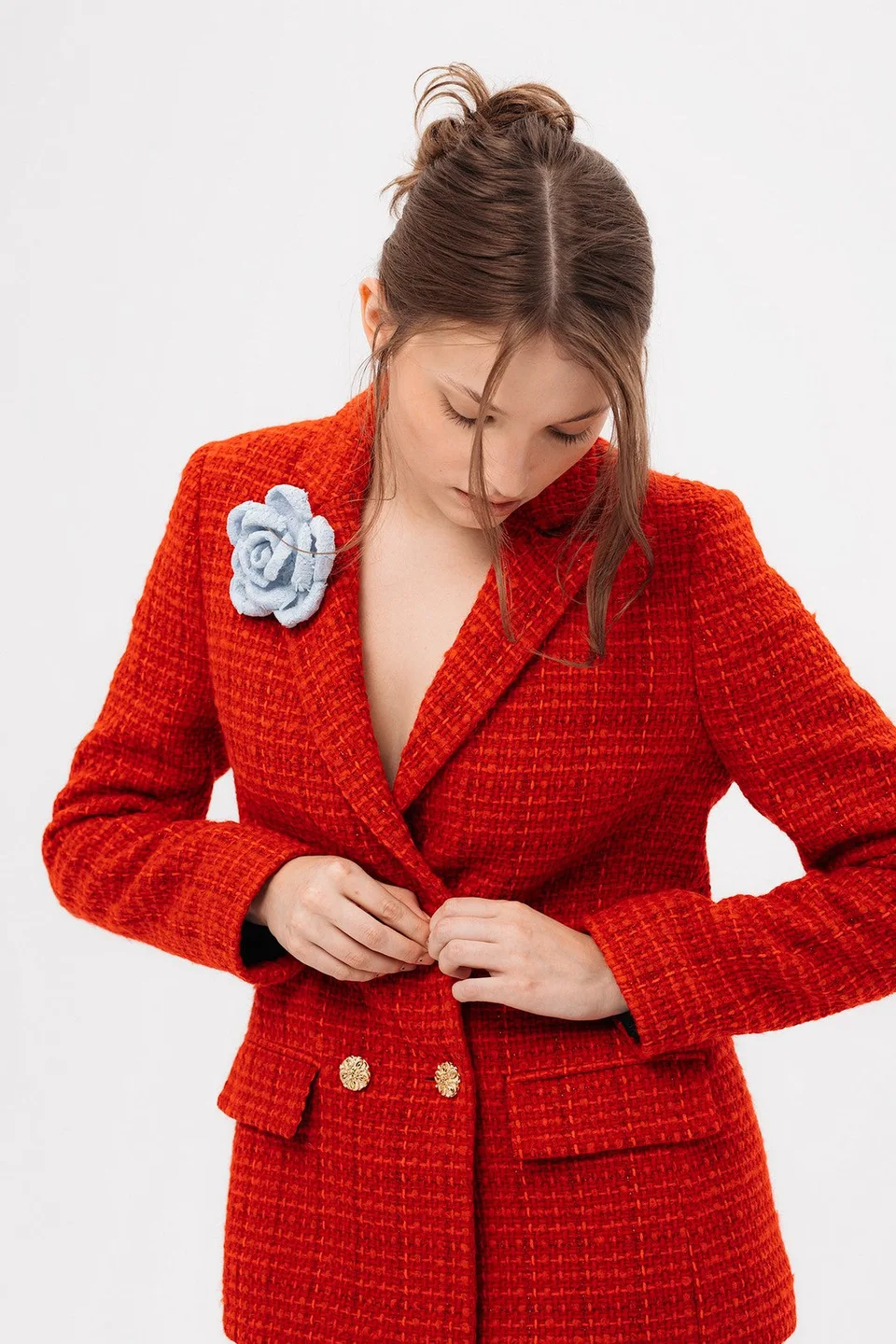
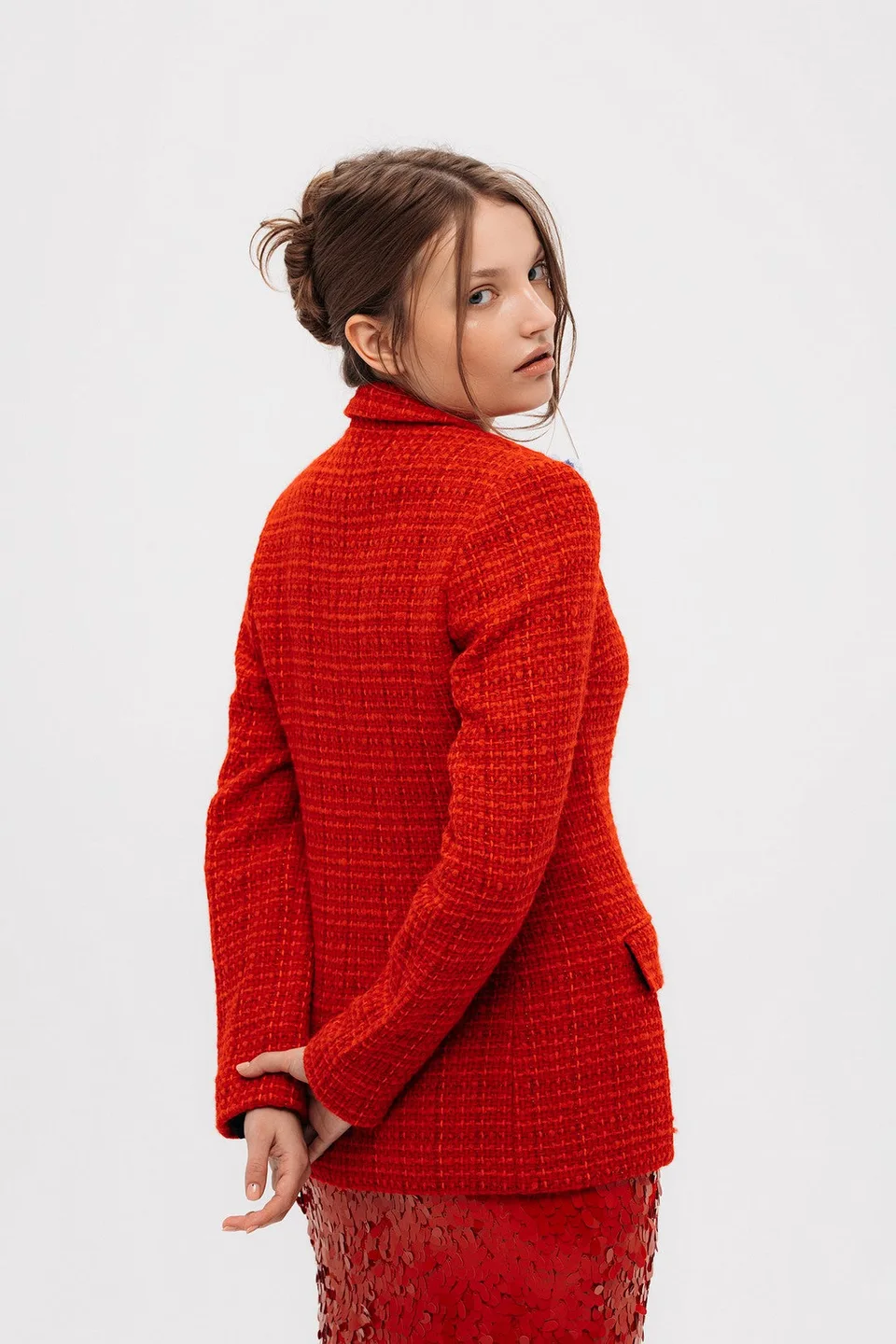
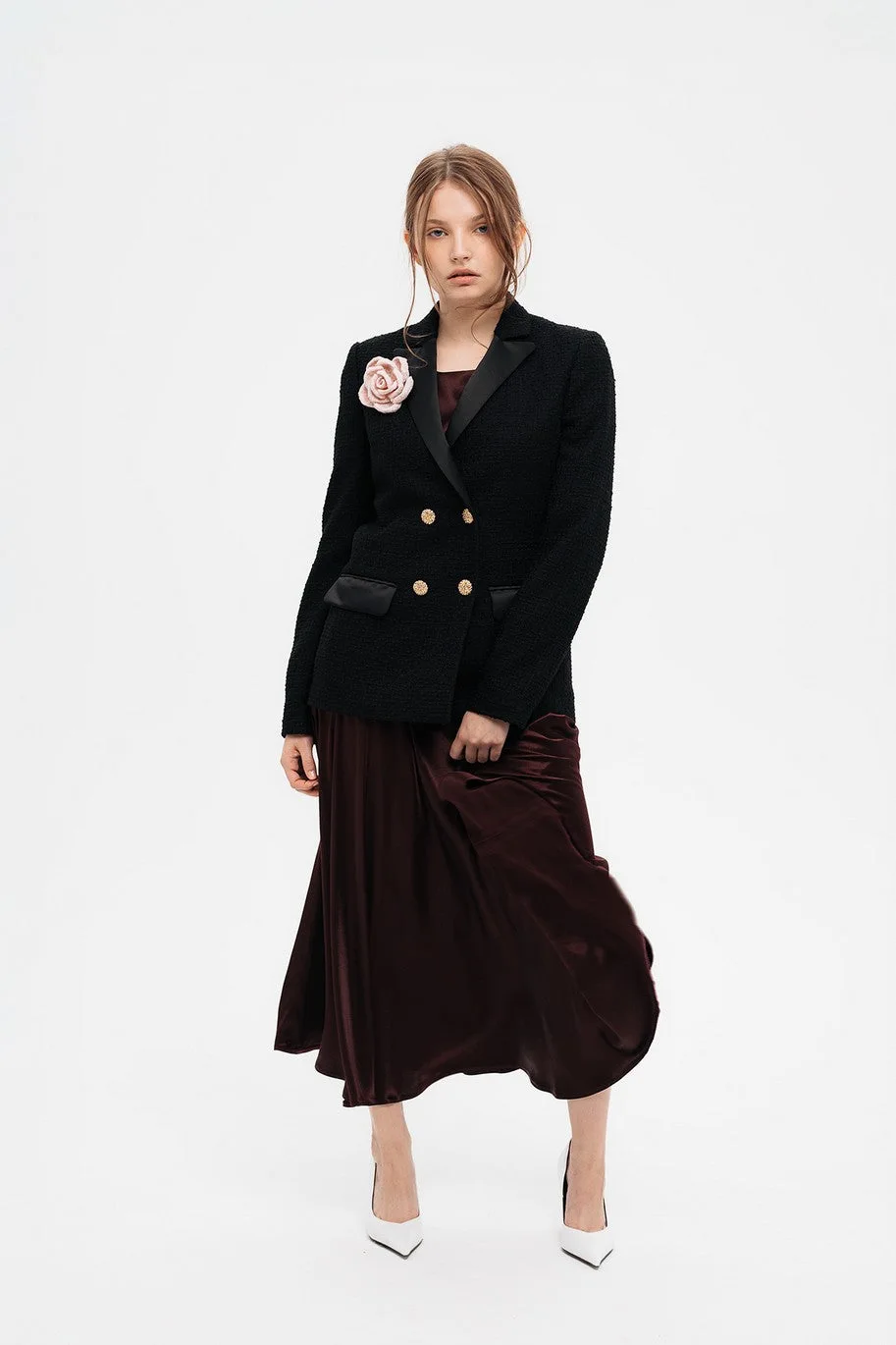
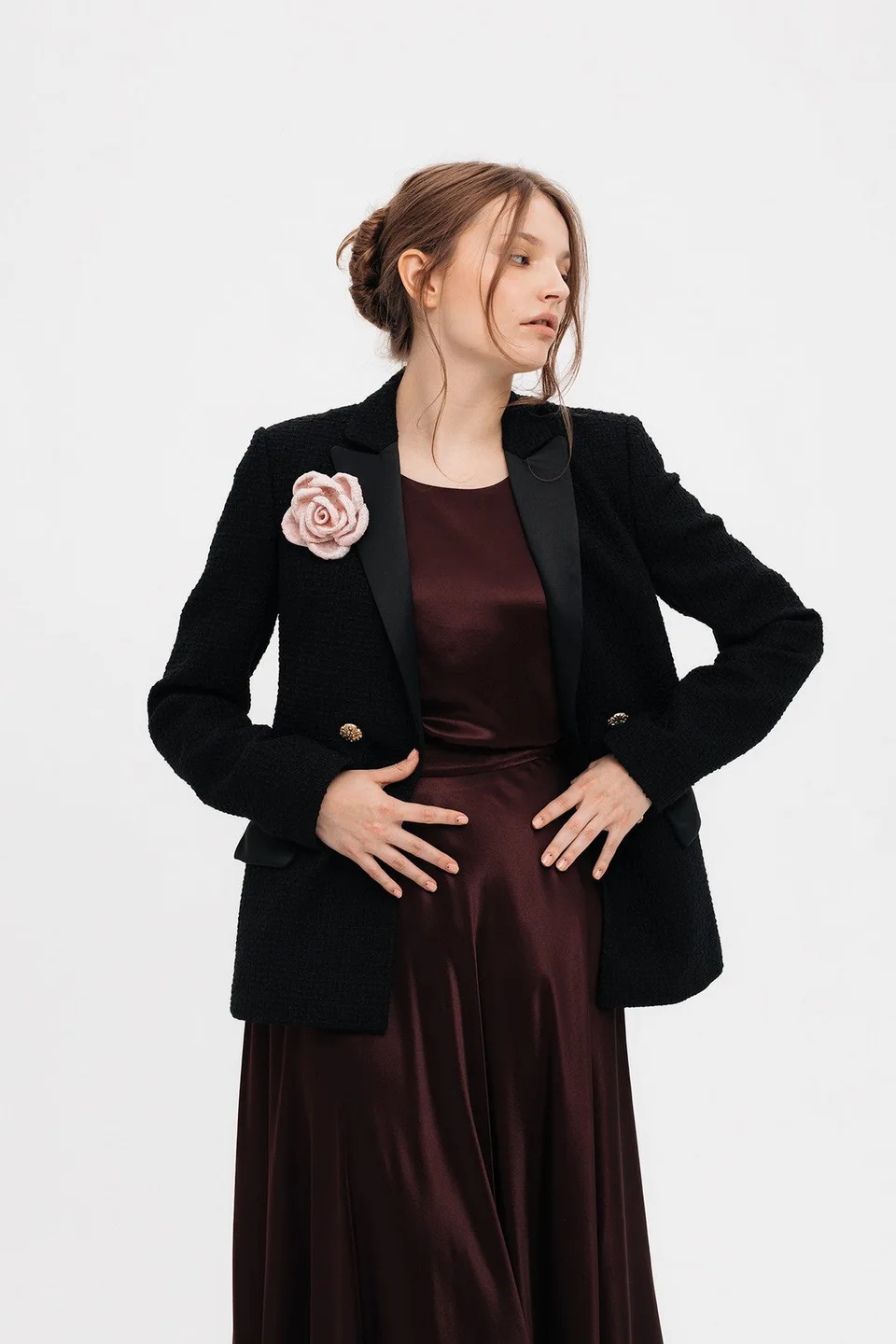
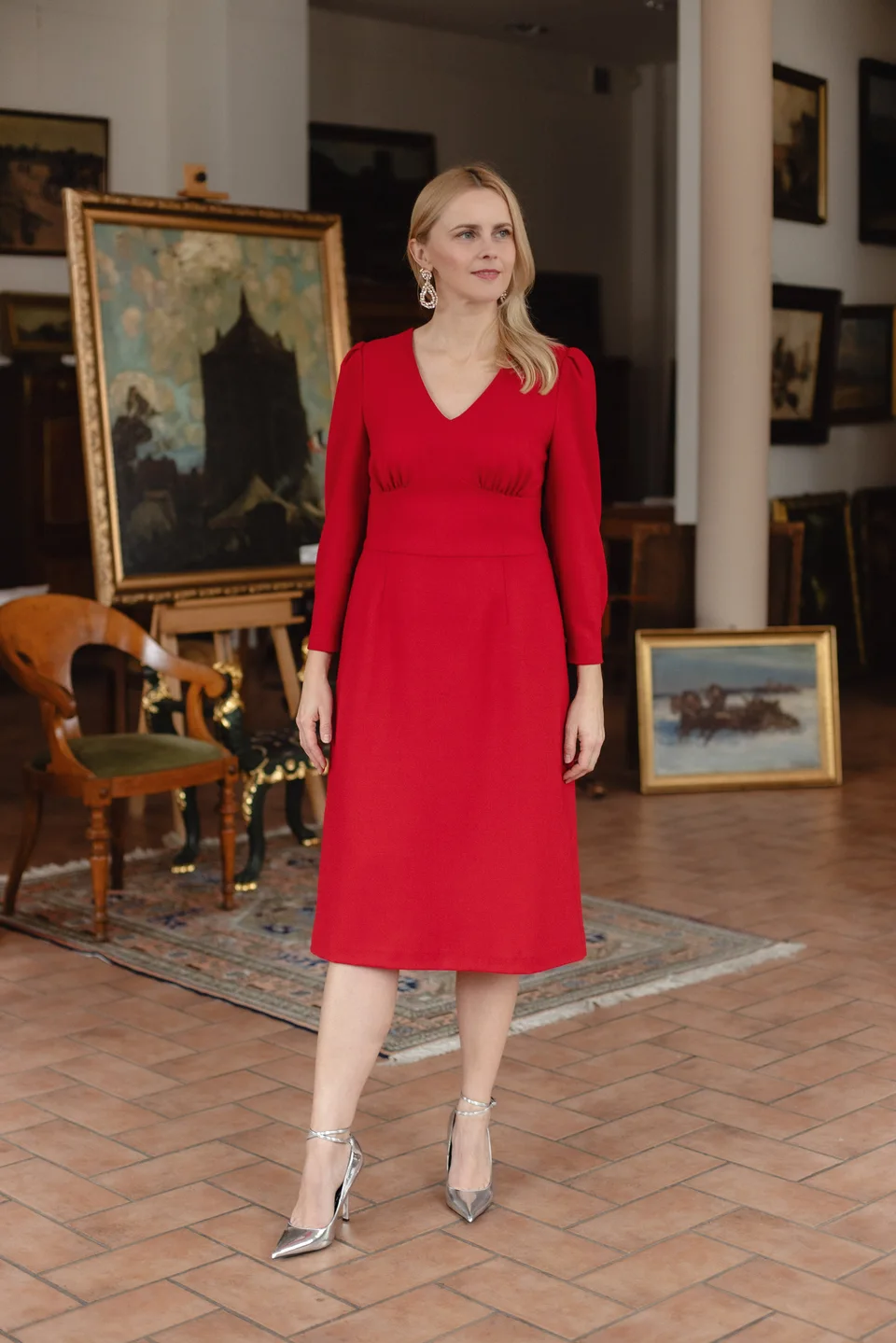
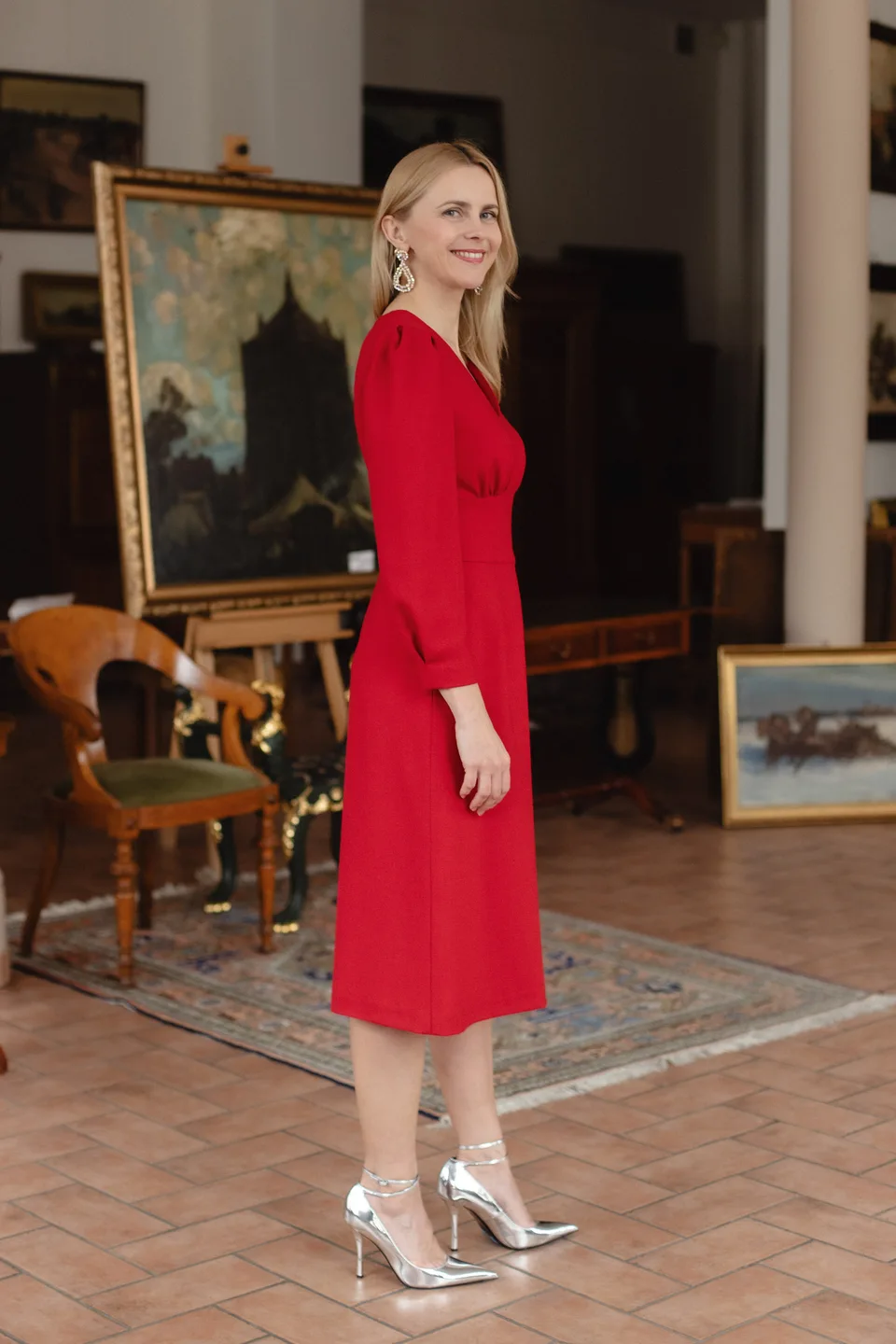
Regular price: €429 Sale price: €304
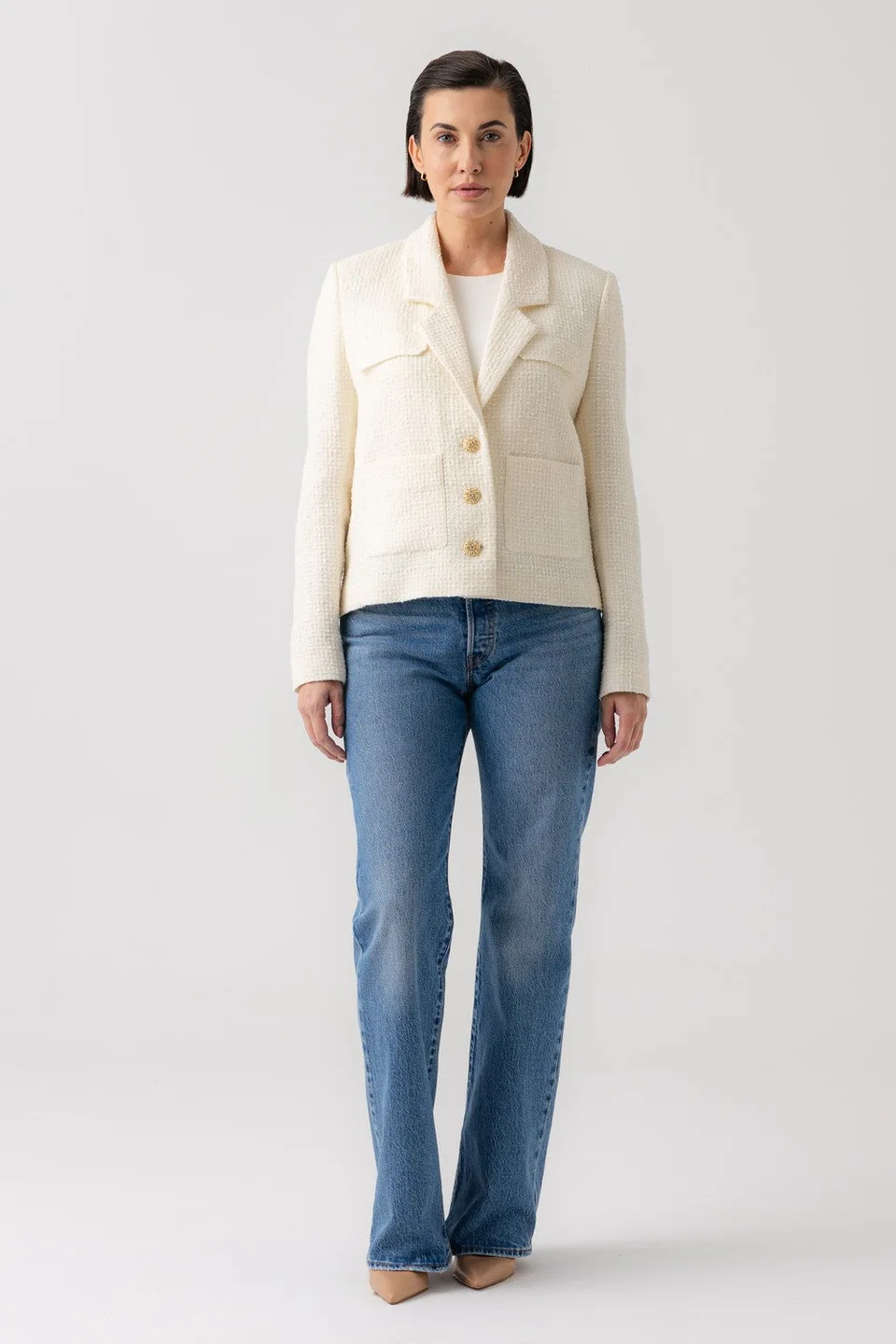
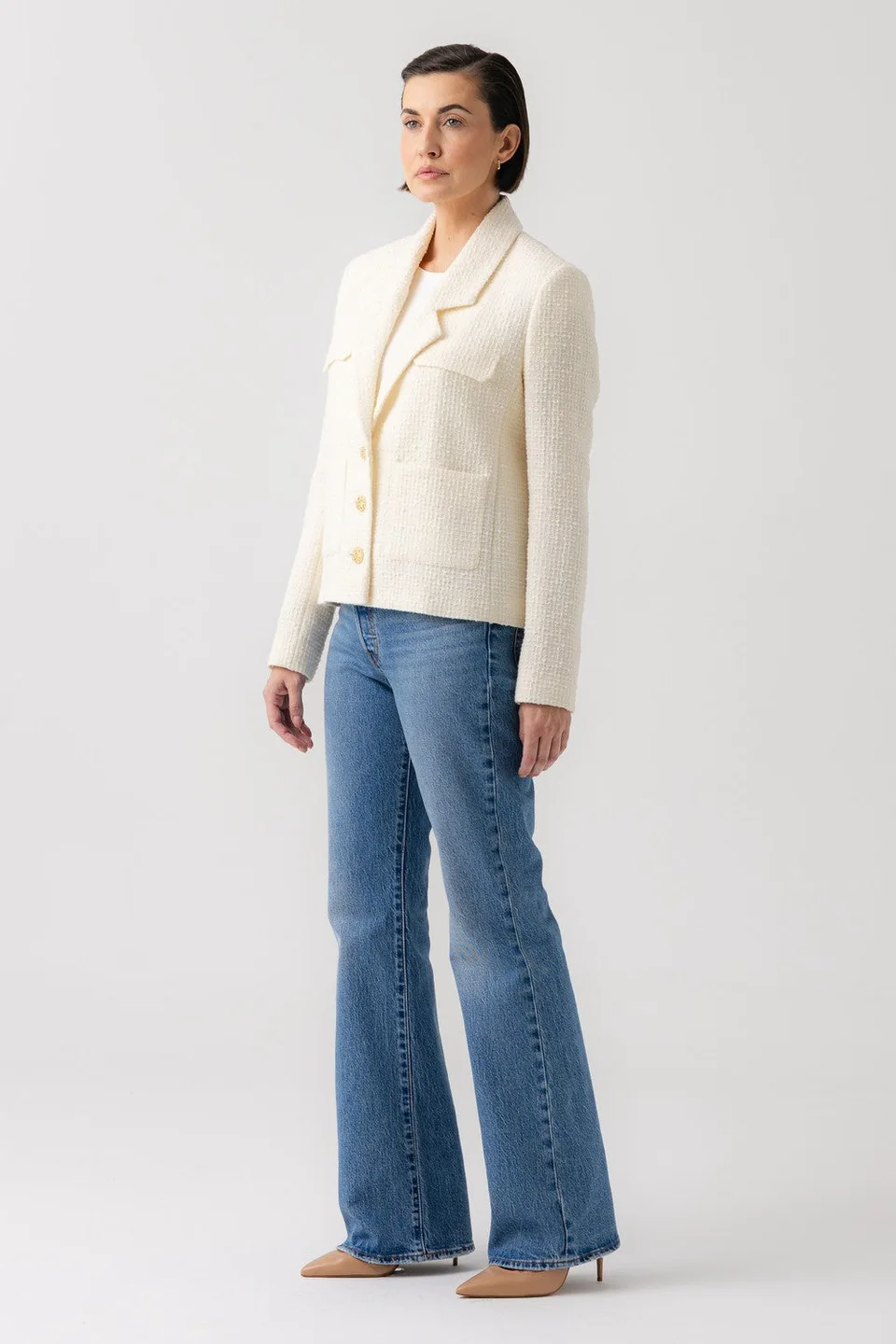
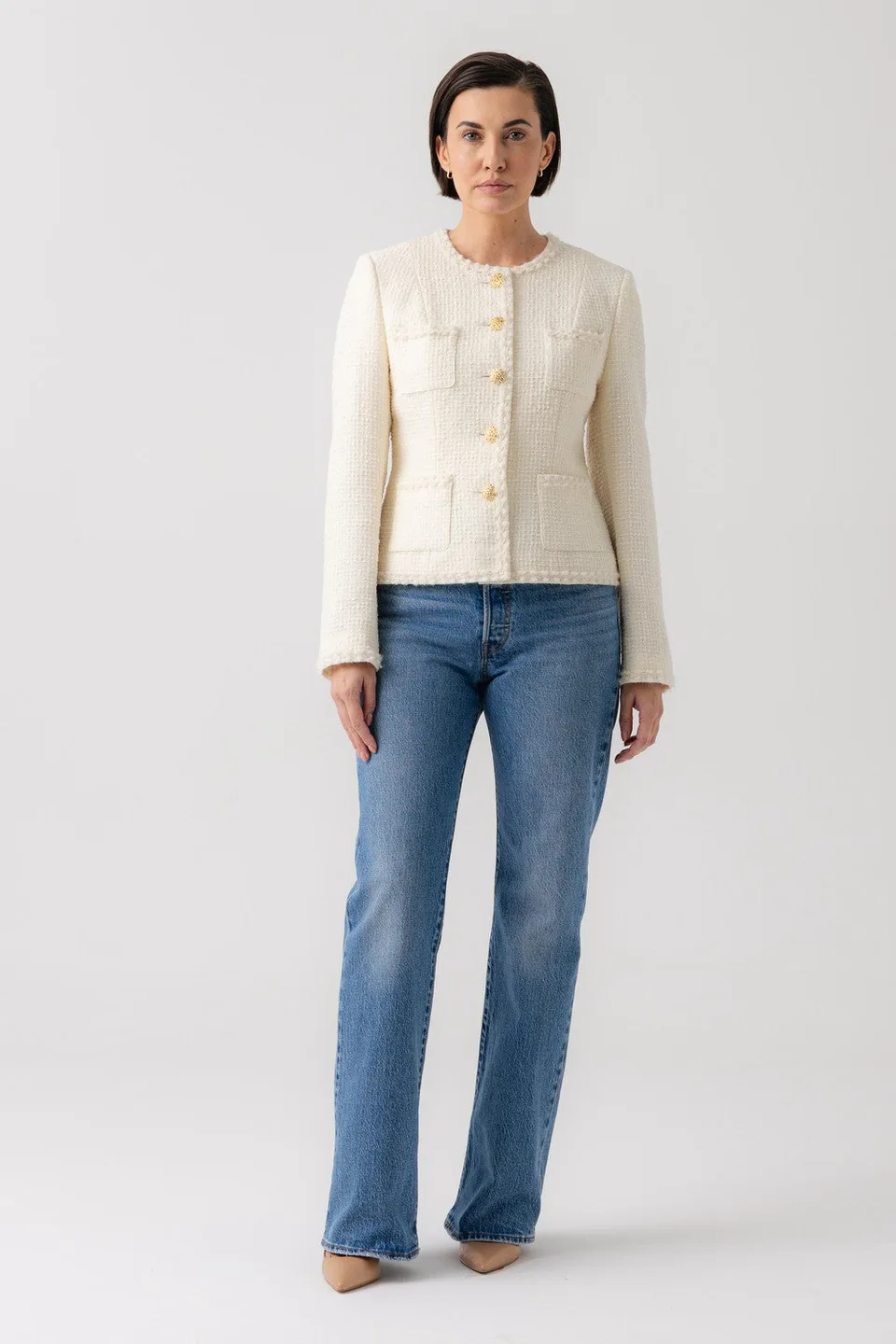
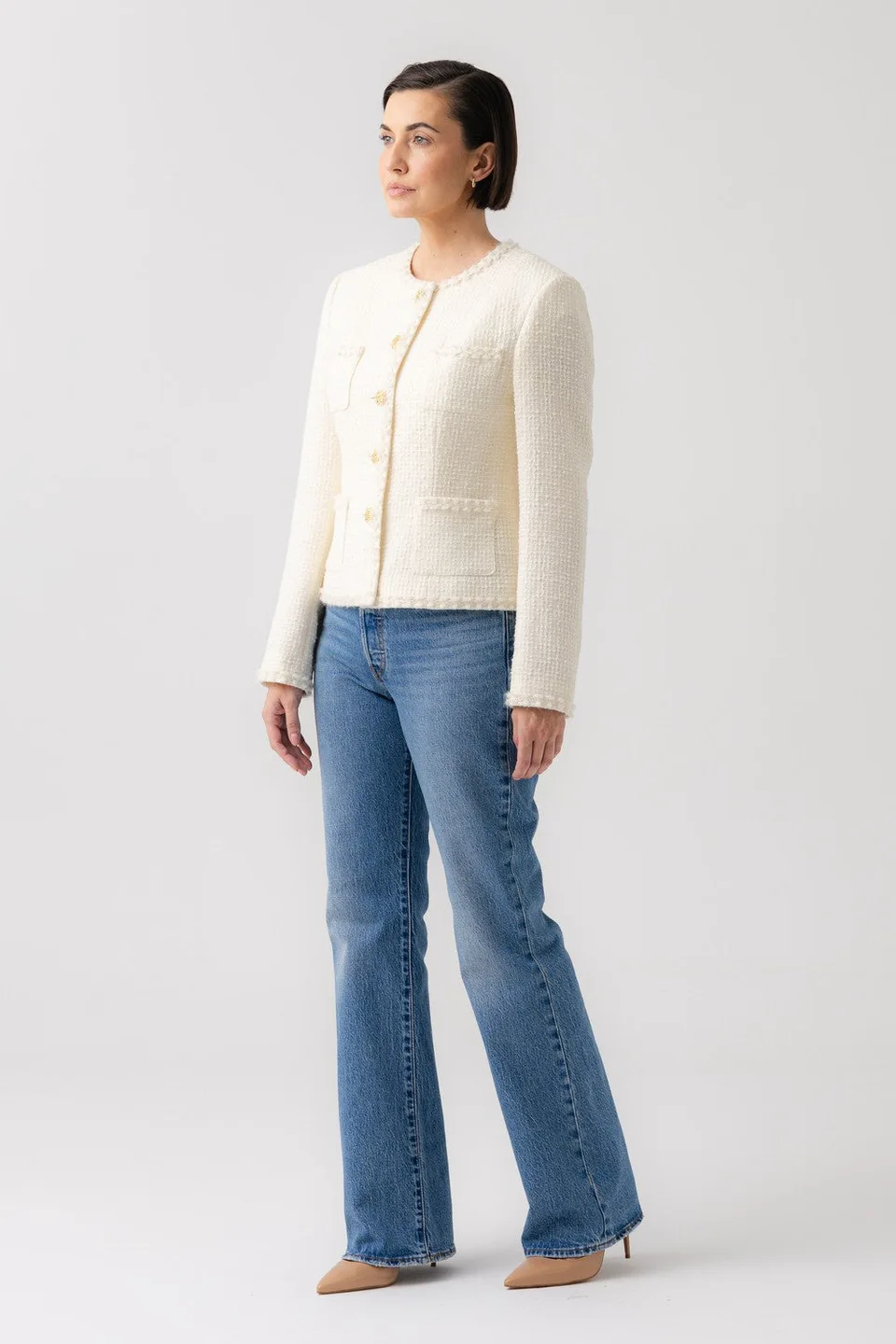
from €509
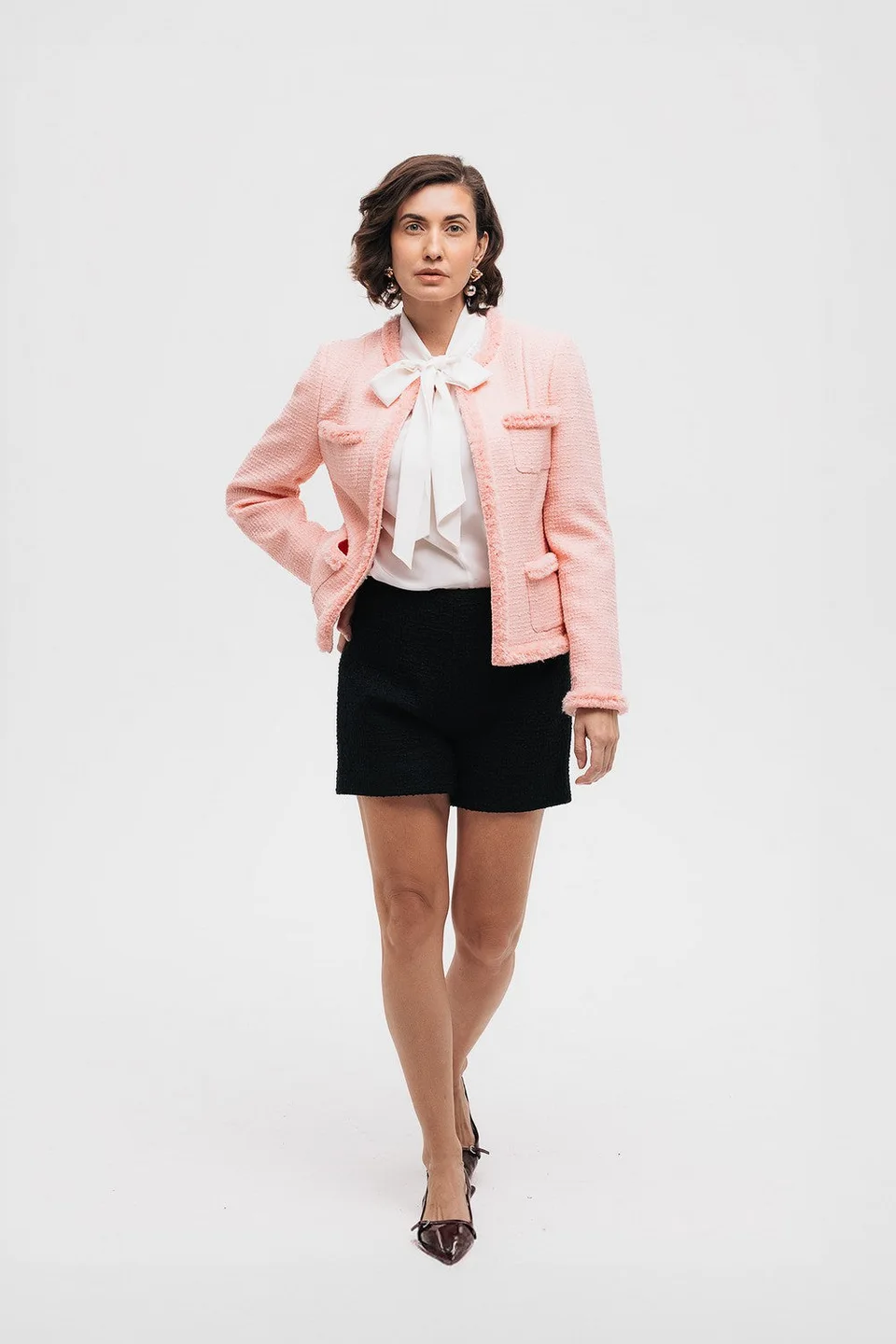
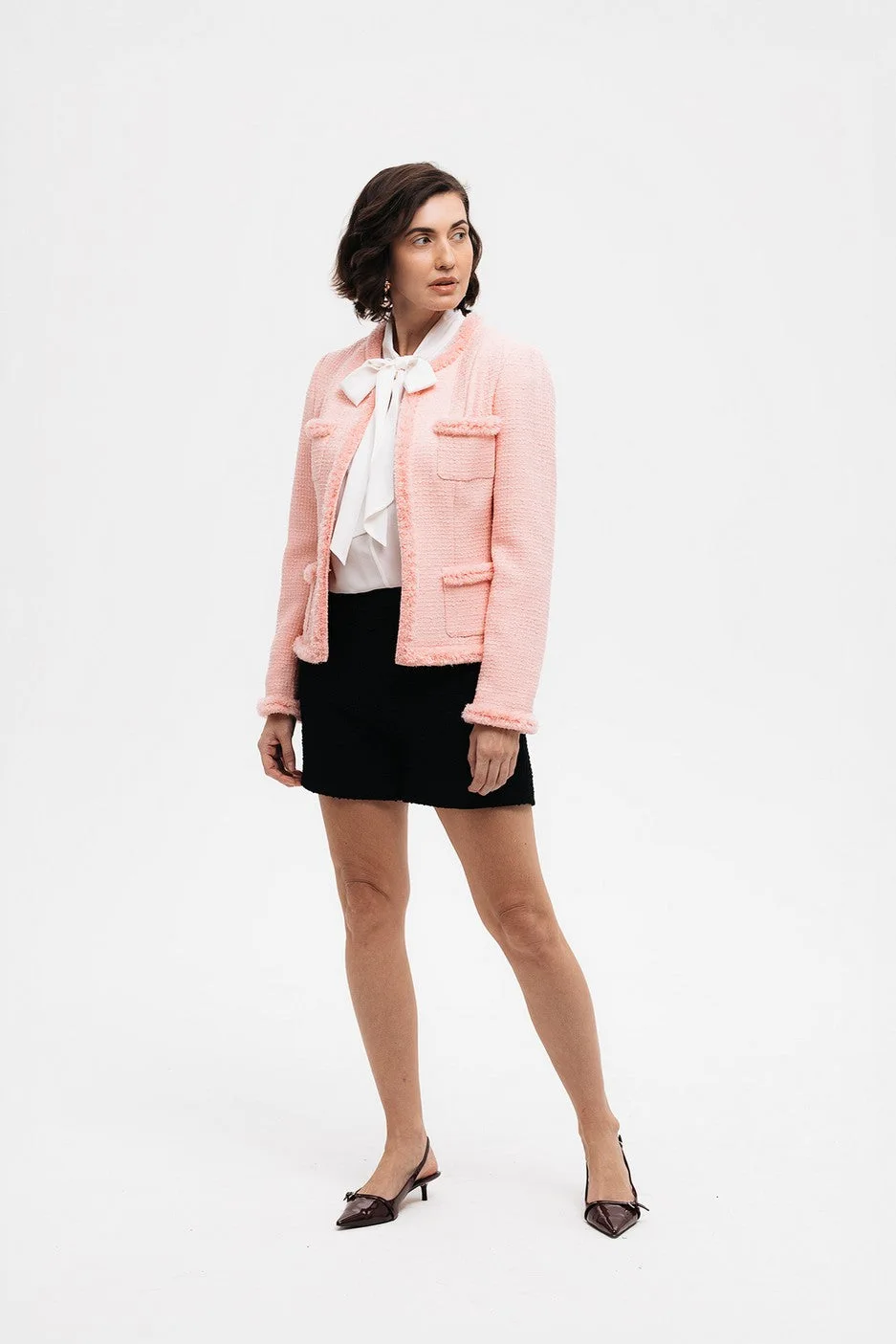
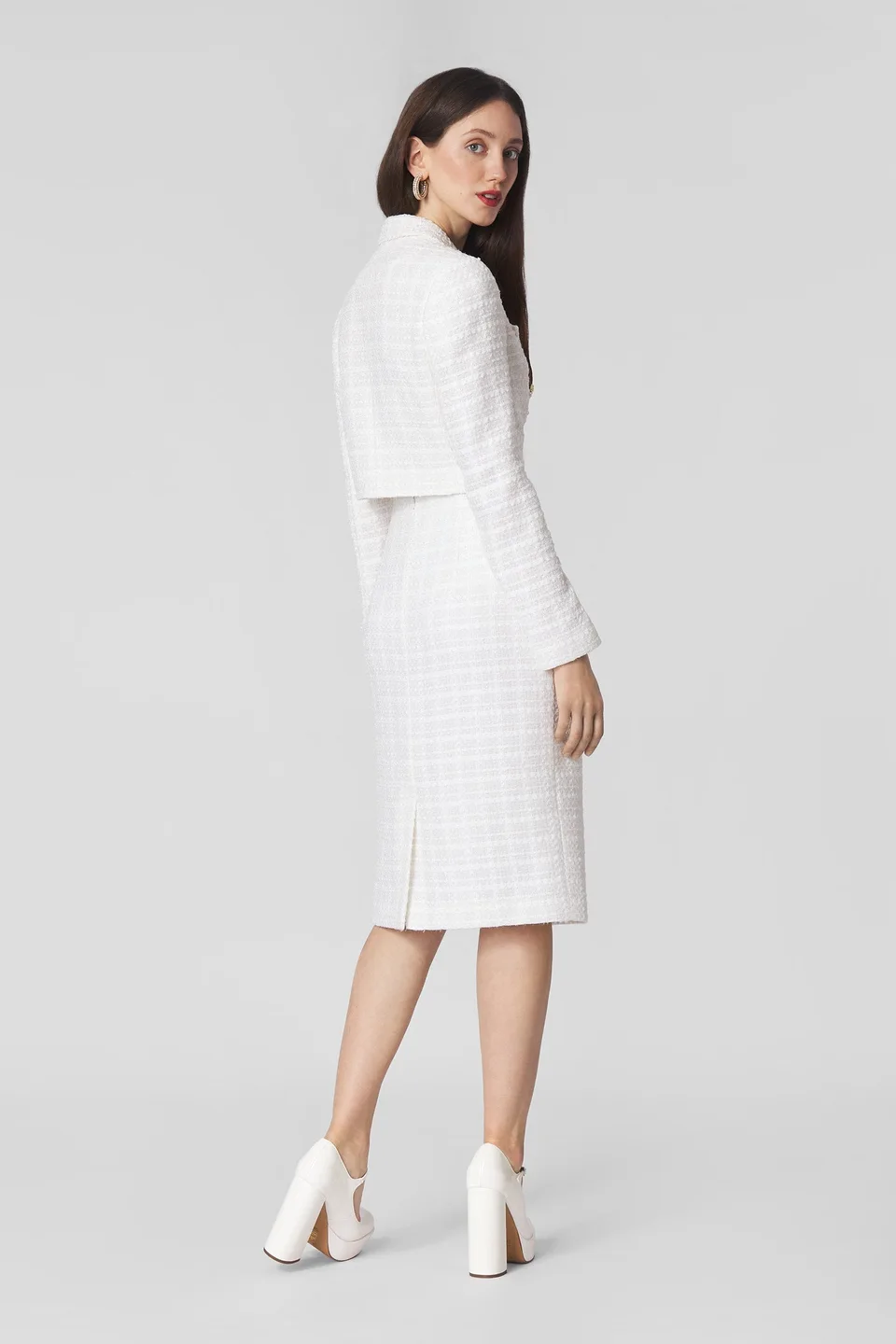
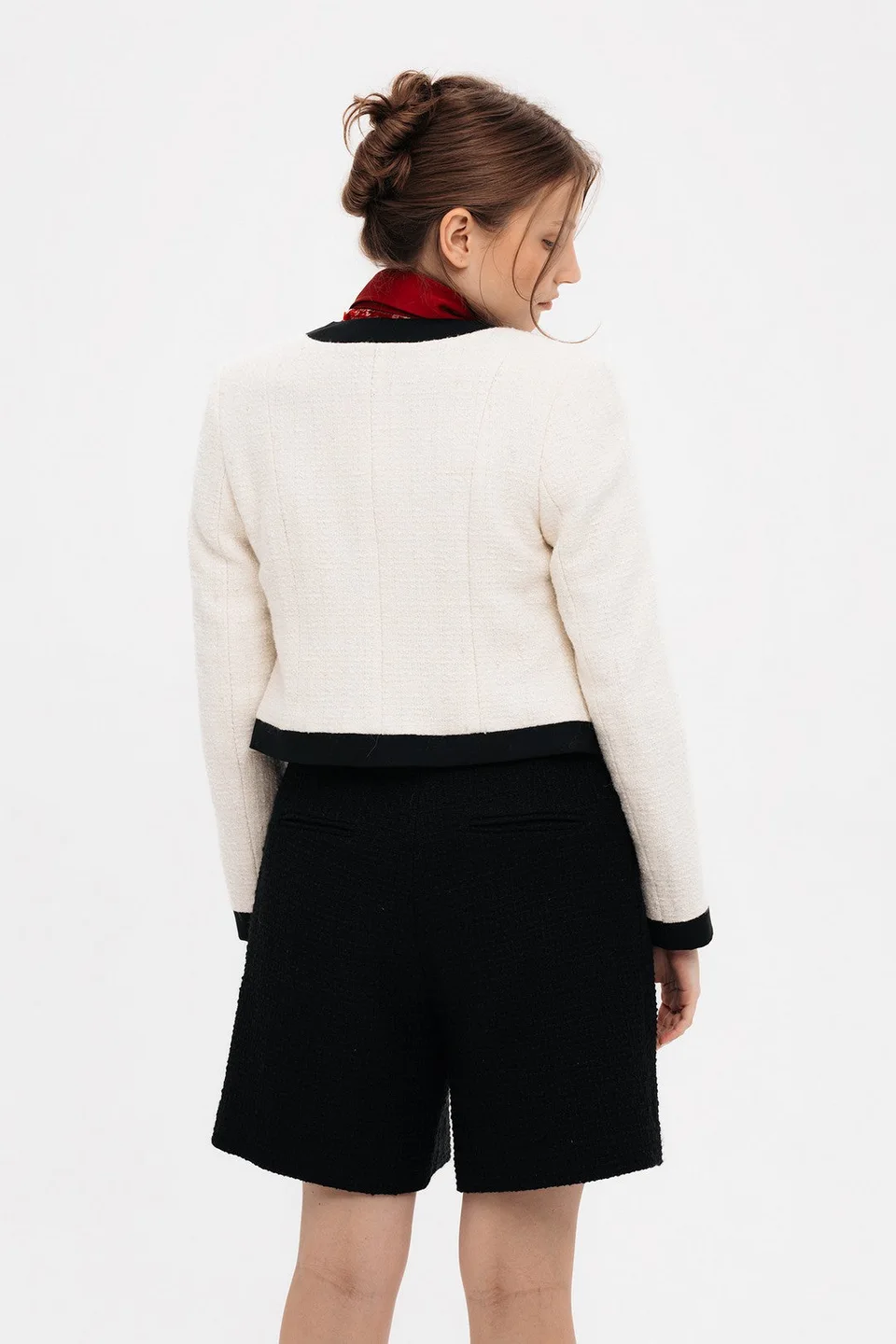
Racecourses set their rules by enclosure, not by meeting, and the same course can be relaxed in one area and strict in the next. Read the rules for your ticket before choosing anything, and remember that a jacket cannot rescue an outfit that breaks them: at Royal Ascot, jackets and pashminas are allowed, but the dress underneath still has to comply on its own.
Royal Ascot publishes a detailed code for each enclosure. The table summarises the rules published for 2026; check ascot.com for the current year before you buy.
| Enclosure | Headwear | Dresses, straps and trousers |
|---|---|---|
| Royal Enclosure | A hat, or a headpiece on a solid base at least 10 cm across; no fascinators | Hem just above the knee or longer; straps at least 1 inch (about 2.5 cm) wide; no strapless, off-the-shoulder or halterneck styles; midriff covered; trouser suits full length, in one colour and fabric |
| Queen Anne Enclosure | A hat, headpiece or fascinator at all times | Straps required; midriff covered; no sheer fabrics; no minimum length |
| Village Enclosure | Headwear at all times; smaller pieces suggested | Straps required: no strapless, off-the-shoulder or one-shoulder styles; midriff covered; no minimum length |
| Windsor Enclosure | A hat suggested | No formal code; smart daywear suggested |
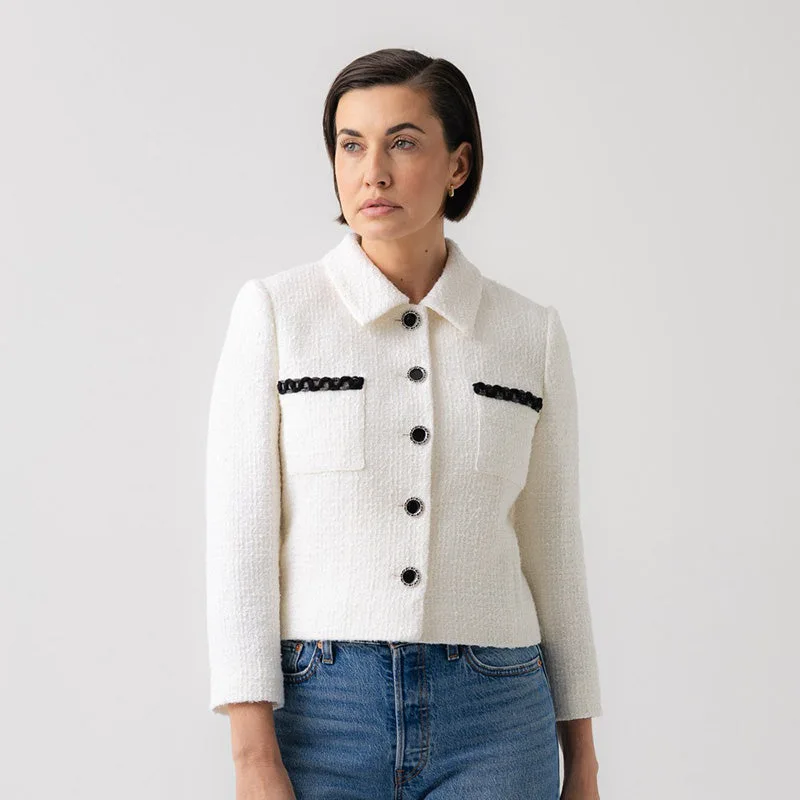
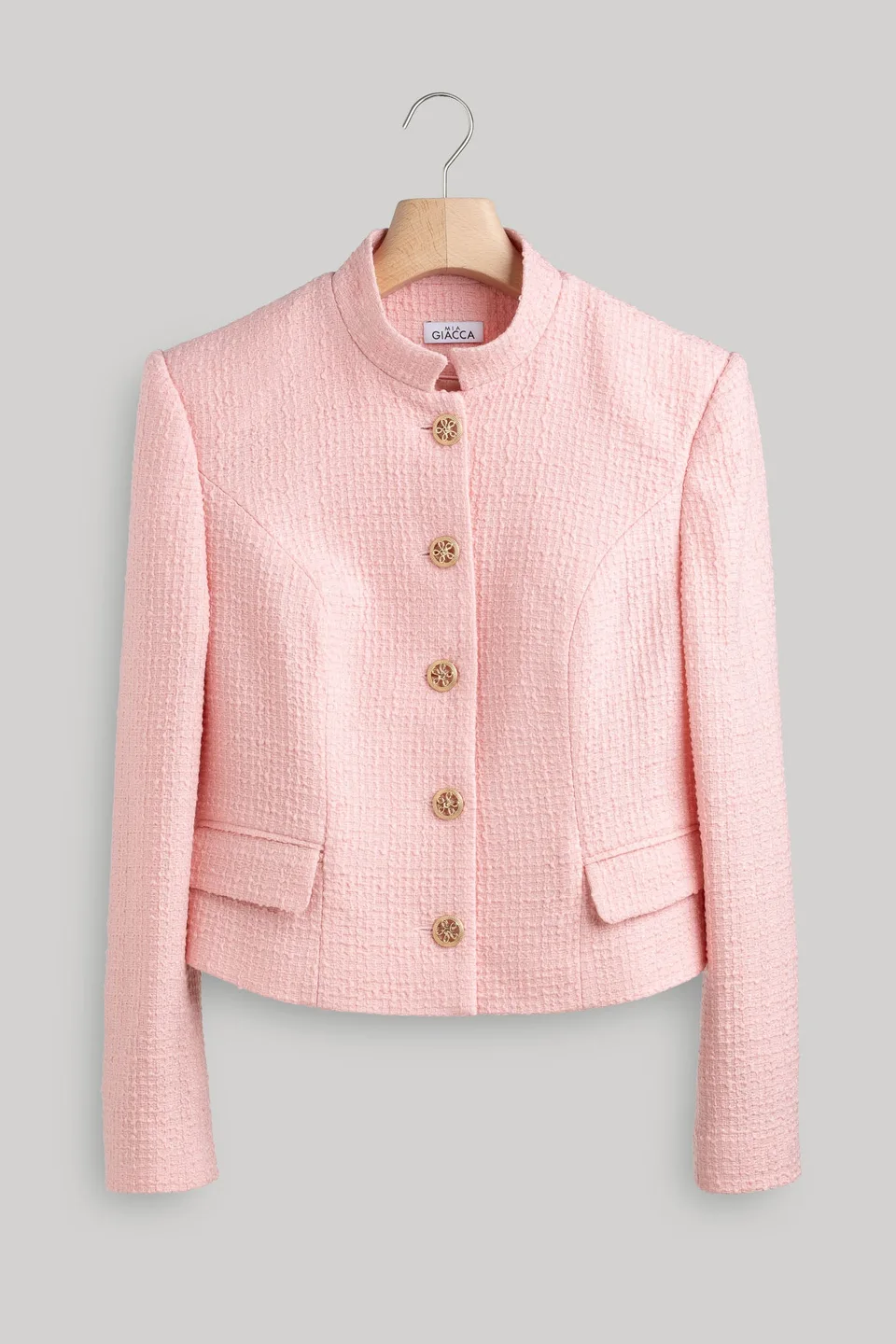
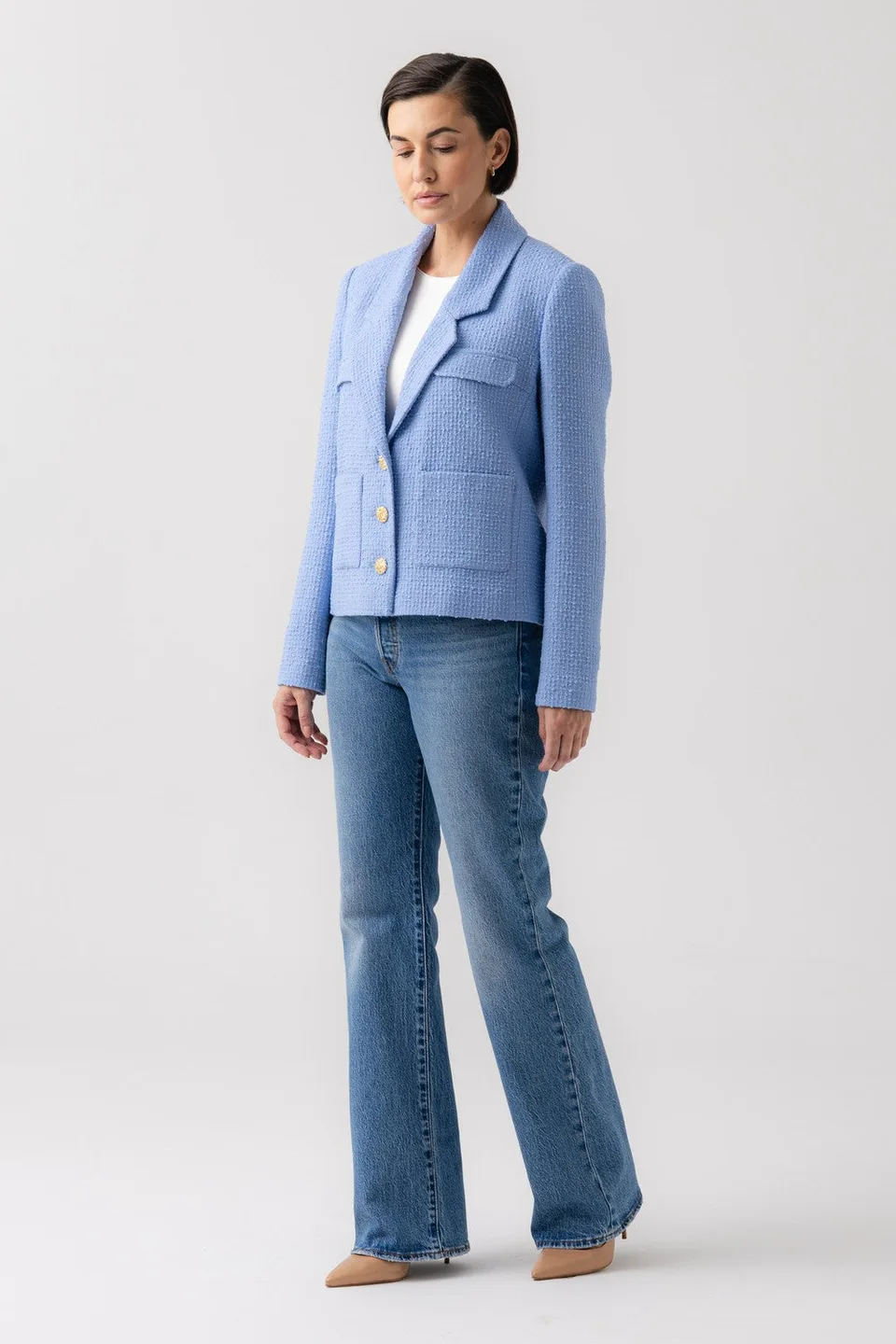
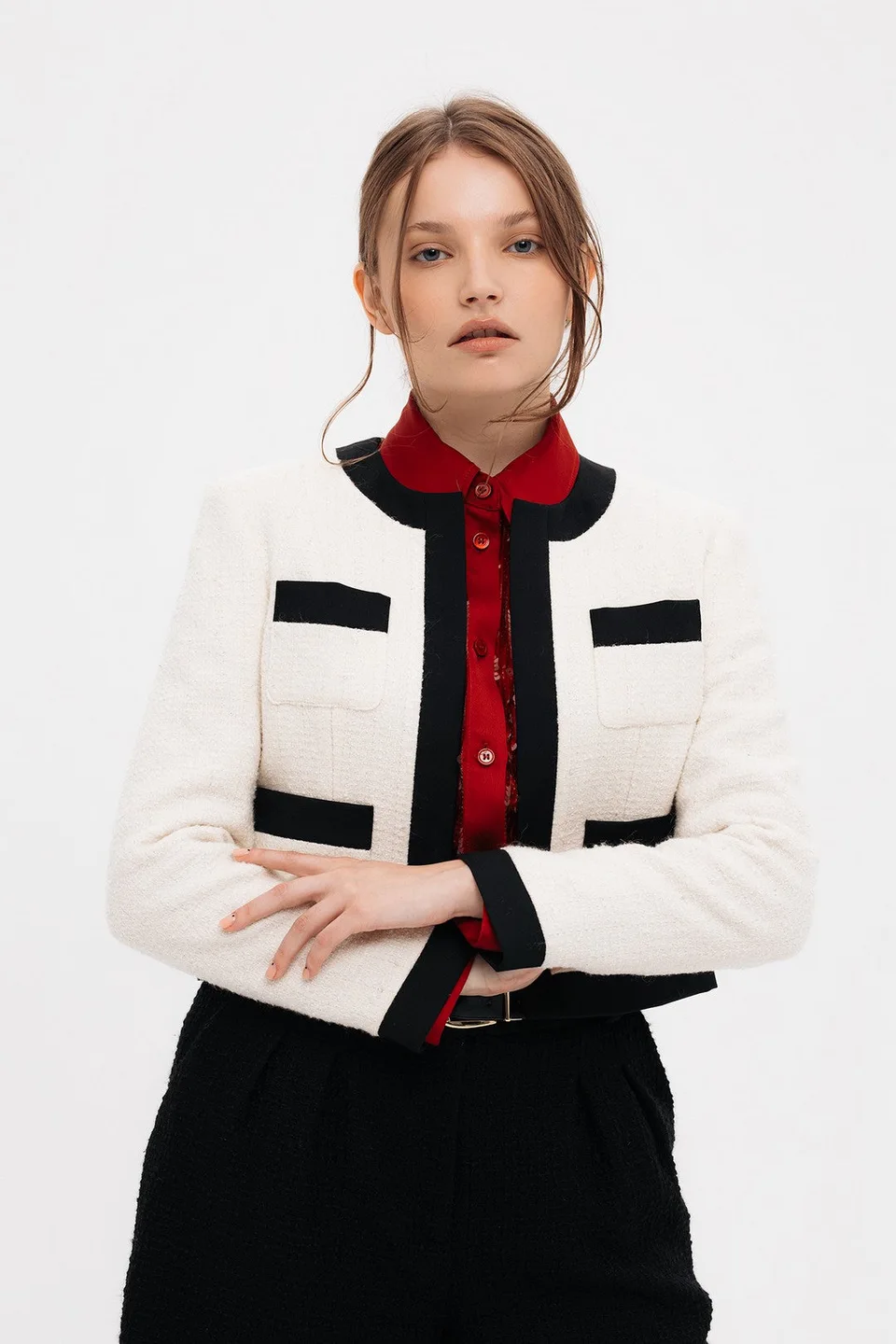
In June, tweed at Ascot is a light layer rather than protection from the cold: a short jacket in a pale or bright colour over a compliant dress, worn for the morning and the walk to the stands.
Galway’s organisers say there is no official dress code at Irish racecourses and that smart casual is a safe choice. The Galway Races Summer Festival runs from late July into early August, and in Irish summer weather a short tweed jacket over a dress or with tailored trousers covers both a bright afternoon and a cool evening.
Winter and early-spring jump racing means hours outdoors in wind and cold, on soft ground. The Cheltenham Festival takes place in March, while Leopardstown races from 26 to 29 December and stages important races in February, including the Irish Gold Cup. At both, almost any tweed blends in, earthy and muted colours are the classic choice, and bare legs and stilettos are a mistake.
Dress in layers, with the tweed jacket in the middle.
| Layer | What to wear | Why |
|---|---|---|
| Base | A fine merino roll-neck or a silk blouse | Warmth without bulk; keeps tweed off the neck |
| Jacket | A buttoned wool tweed jacket | Wool stays warm and keeps its shape all day |
| Skirt or trousers | A tweed or wool midi skirt with opaque tights, or tailored trousers | Covers the legs against the wind |
| Coat | A coat longer than the jacket, with room in the sleeves | The jacket fits underneath without bunching |
| Feet | Knee or ankle boots with a low block heel | Stable on wet grass |
| Head and hands | A felt hat or tweed cap, leather gloves | Open stands give little shelter from the wind |
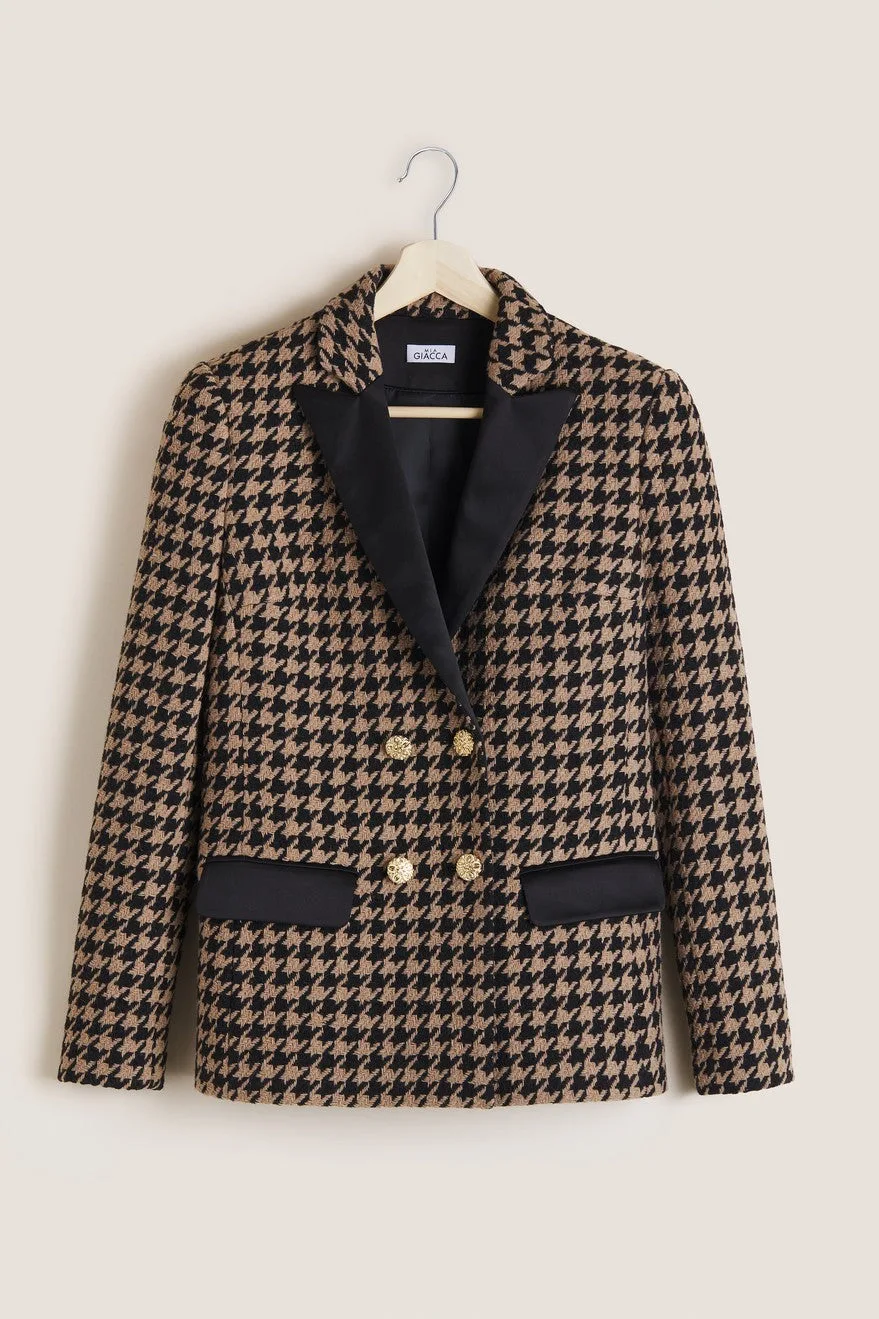
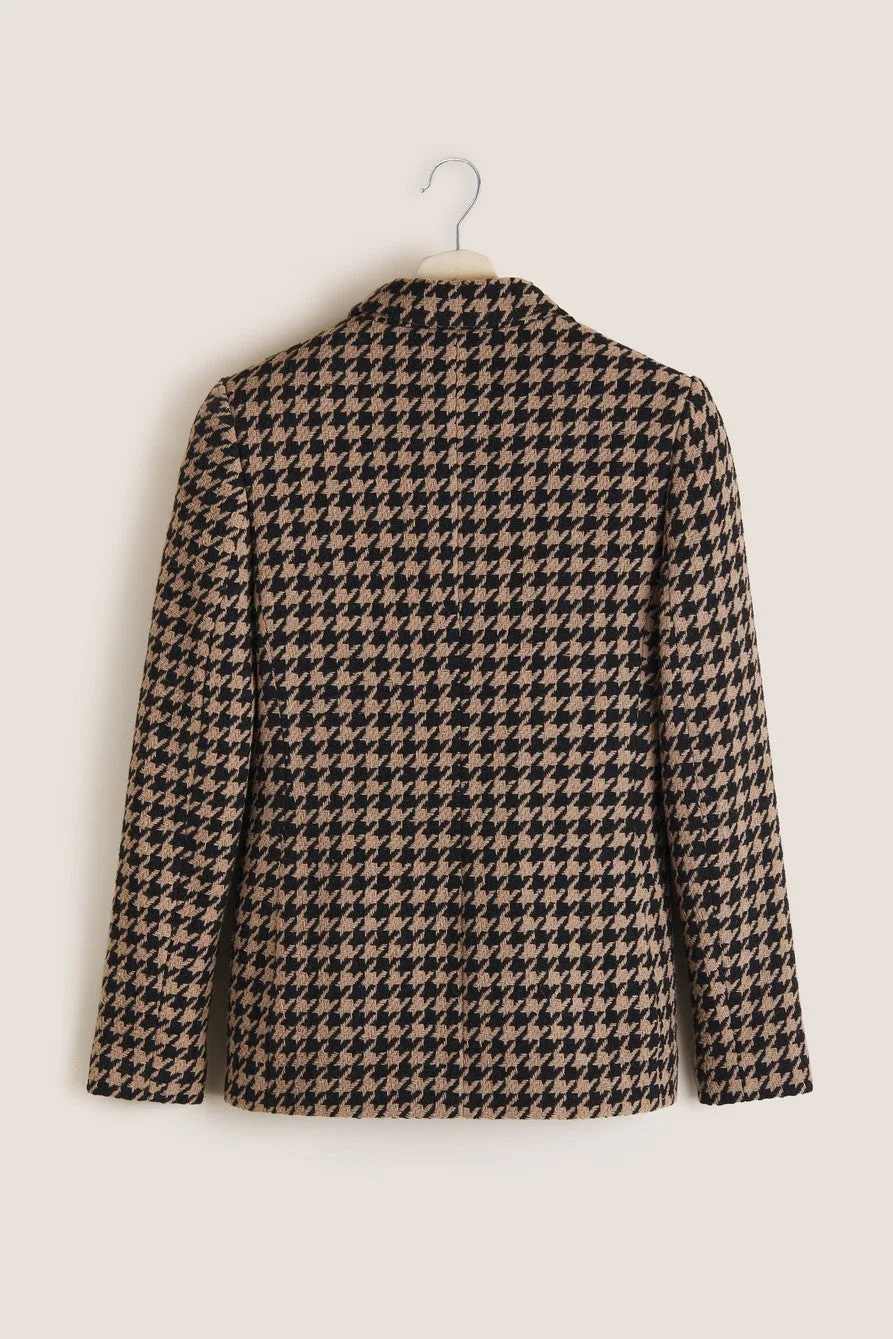
Jackets for a cold race day: two houndstooths, burgundy and navy
from €509
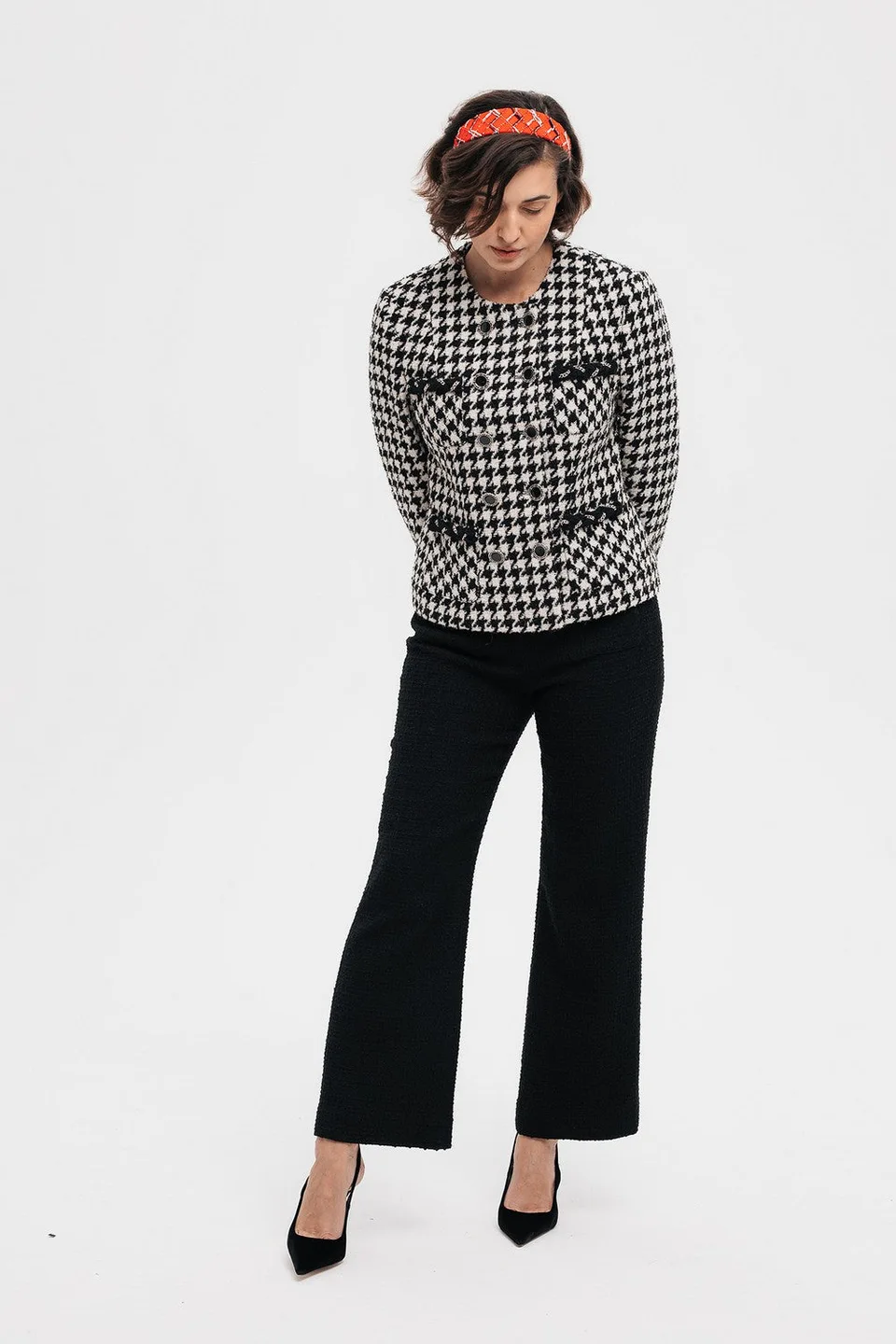
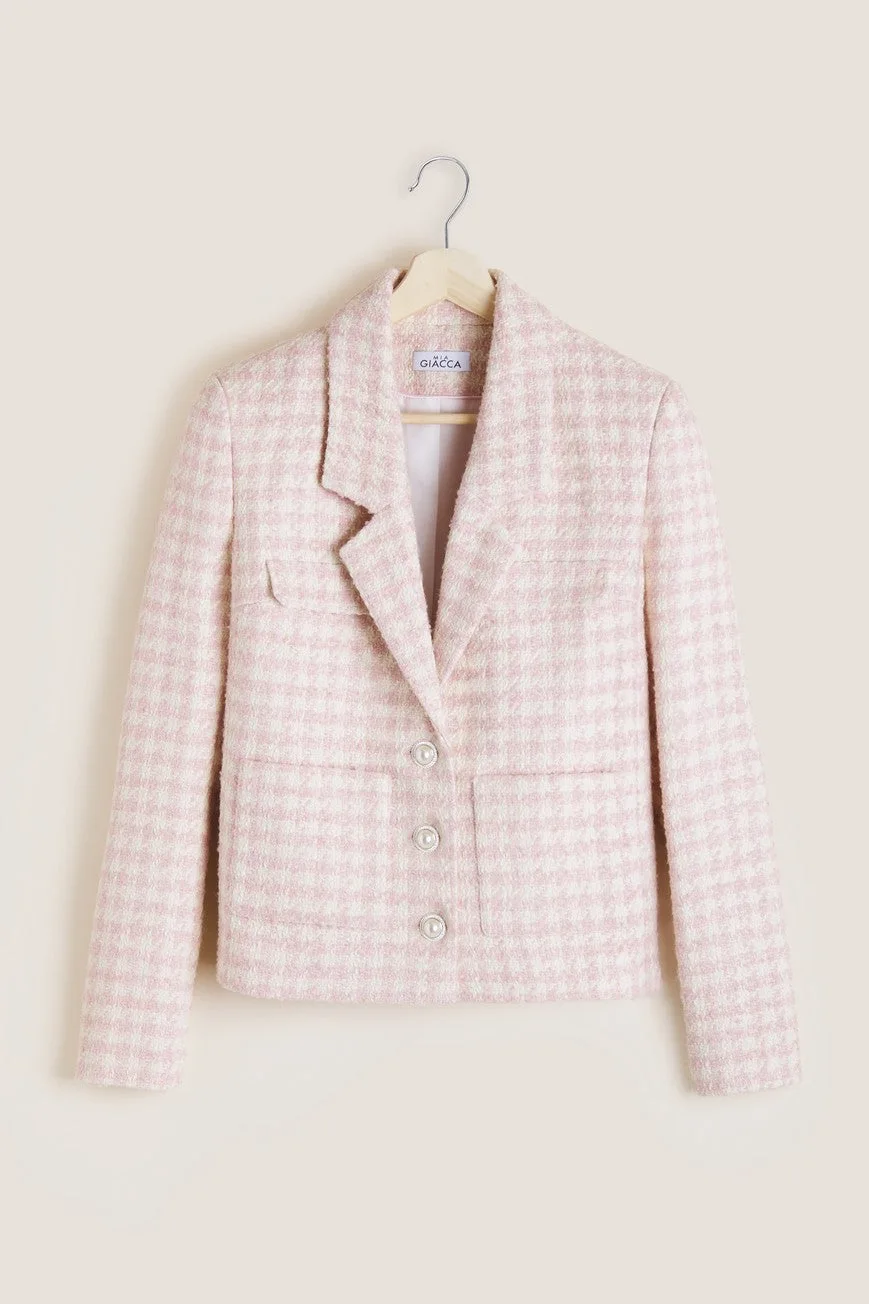
The houndstooth jacket on buttons is fitted, with a small collar and an acetate lining; the brown and black houndstooth blazer also has a collar and an acetate lining; the burgundy jacket is 98% wool with black details; the navy one buttons up over a fine knit.
Houndstooth, also called dogtooth in Britain, is a two-colour broken check that probably comes from the tweeds of the Scottish Lowlands. It needs plain colours around it: two houndstooths in one outfit clash, as do any two patterns of equal size, so pair a small check with a larger one or, more simply, with a solid skirt, trousers or coat. Our houndstooth tweed jackets have their own page.
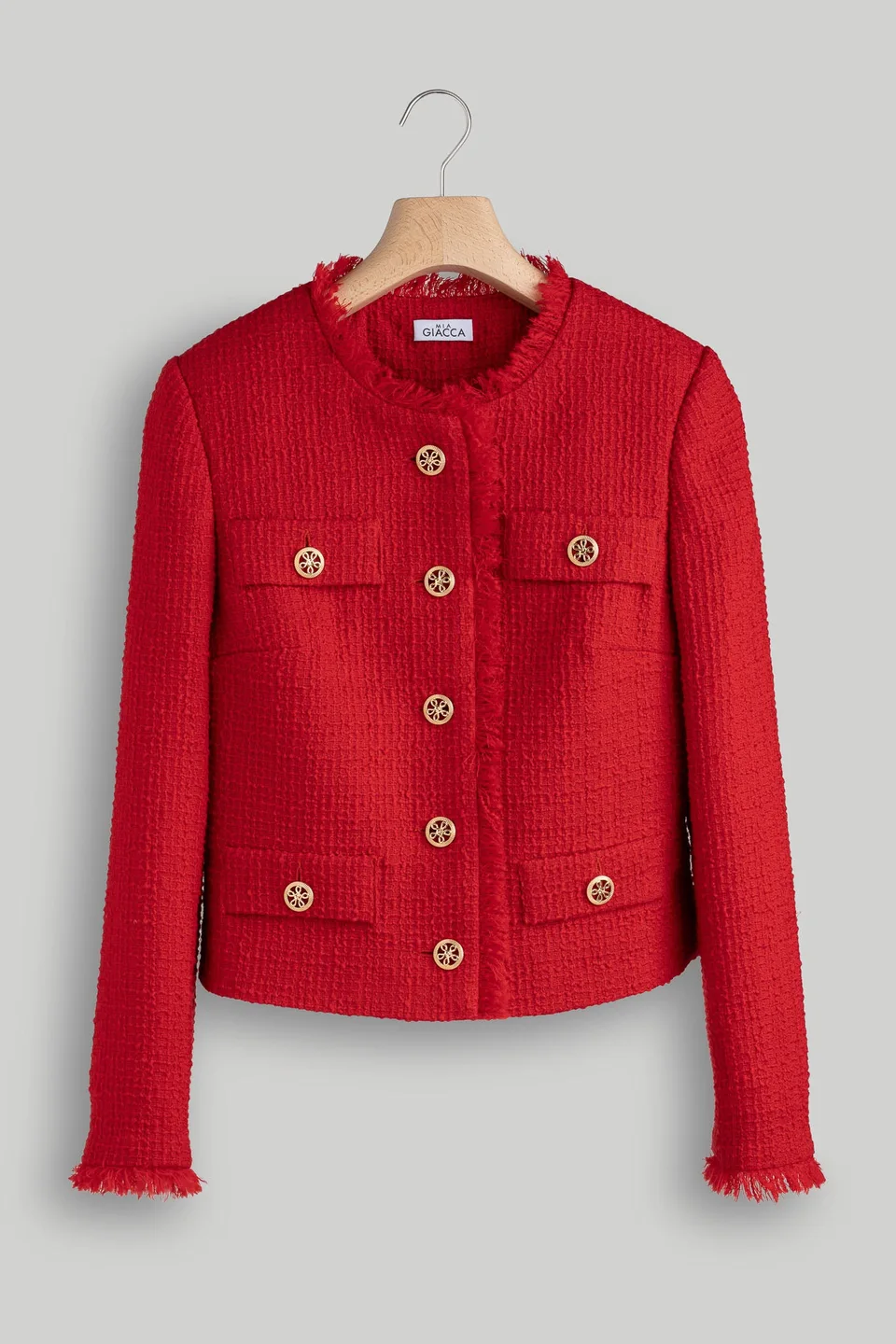
Colour follows the meeting. At Cheltenham, earthy, muted tones such as brown, olive and navy blend in with the crowd; Royal Ascot in June is the place for lighter, brighter colours. Burgundy and red are the easiest strong colours for a winter meeting, clear against a grey sky without looking out of place.
In the southern hemisphere the seasons run the other way: summer is December to February and winter June to August, so Melbourne’s Spring Racing Carnival falls in October and November. It includes the Caulfield Cup, the Cox Plate and the Melbourne Cup, which is run at Flemington on the first Tuesday of November with a 3 pm start and is a public holiday in metropolitan Melbourne.
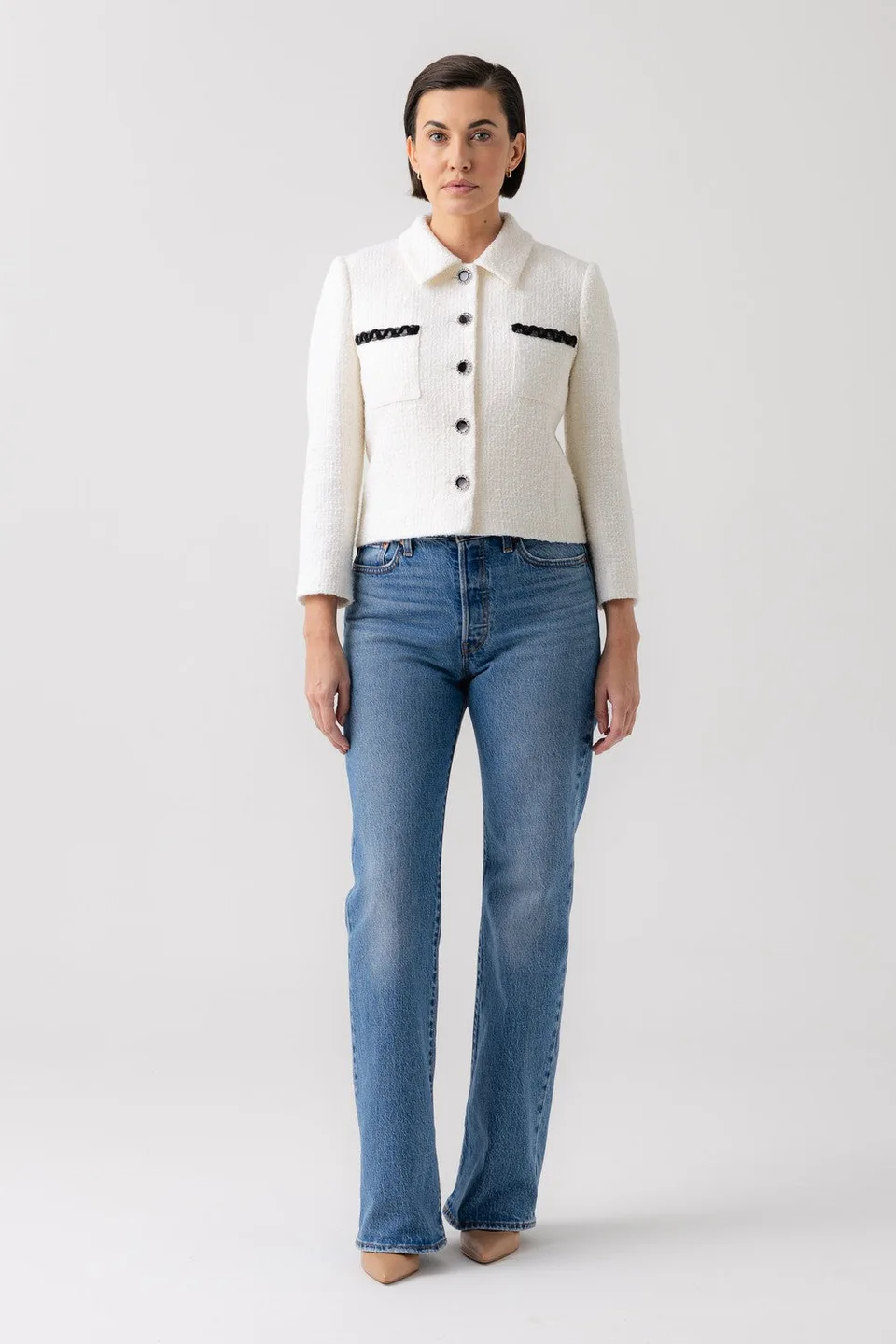
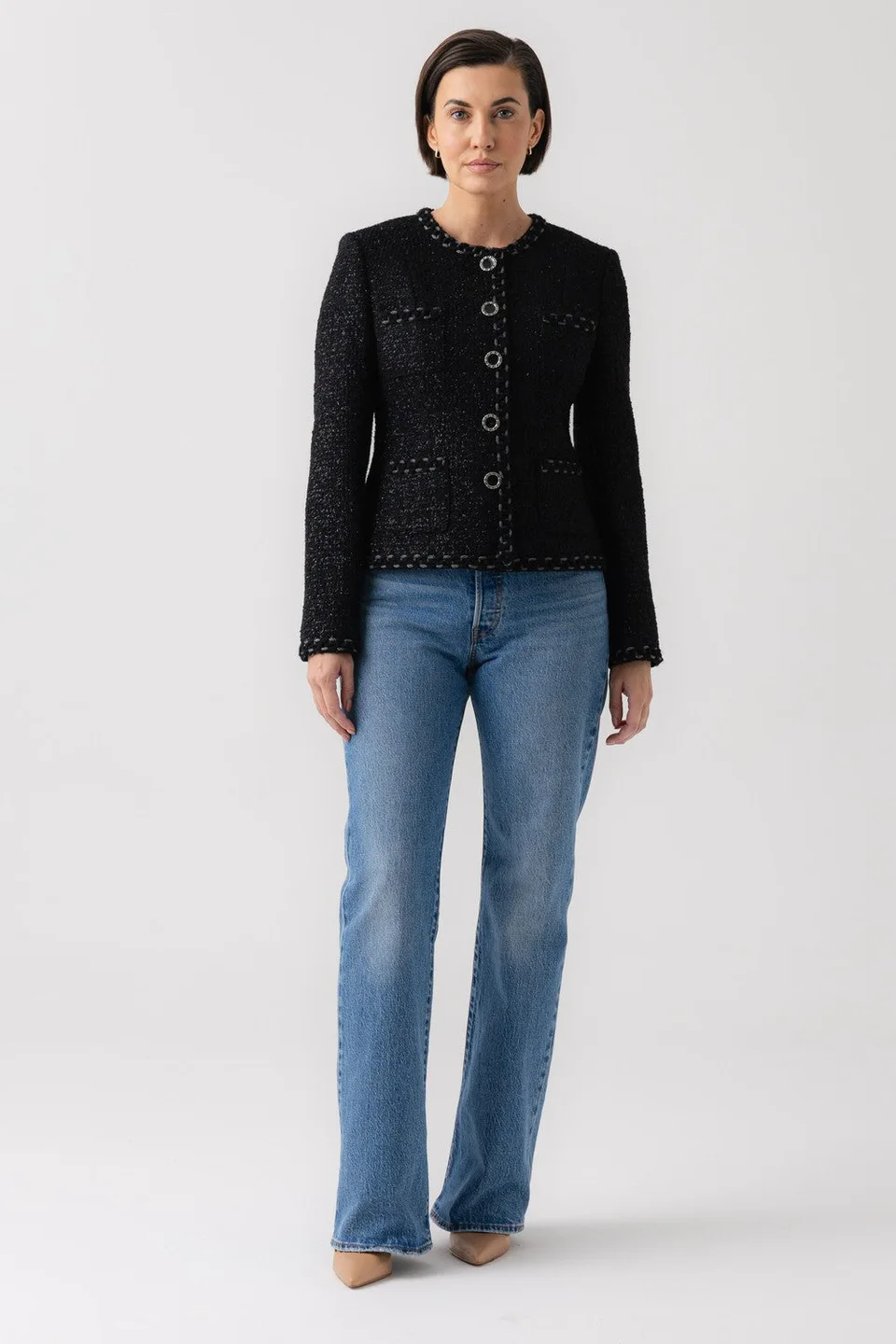
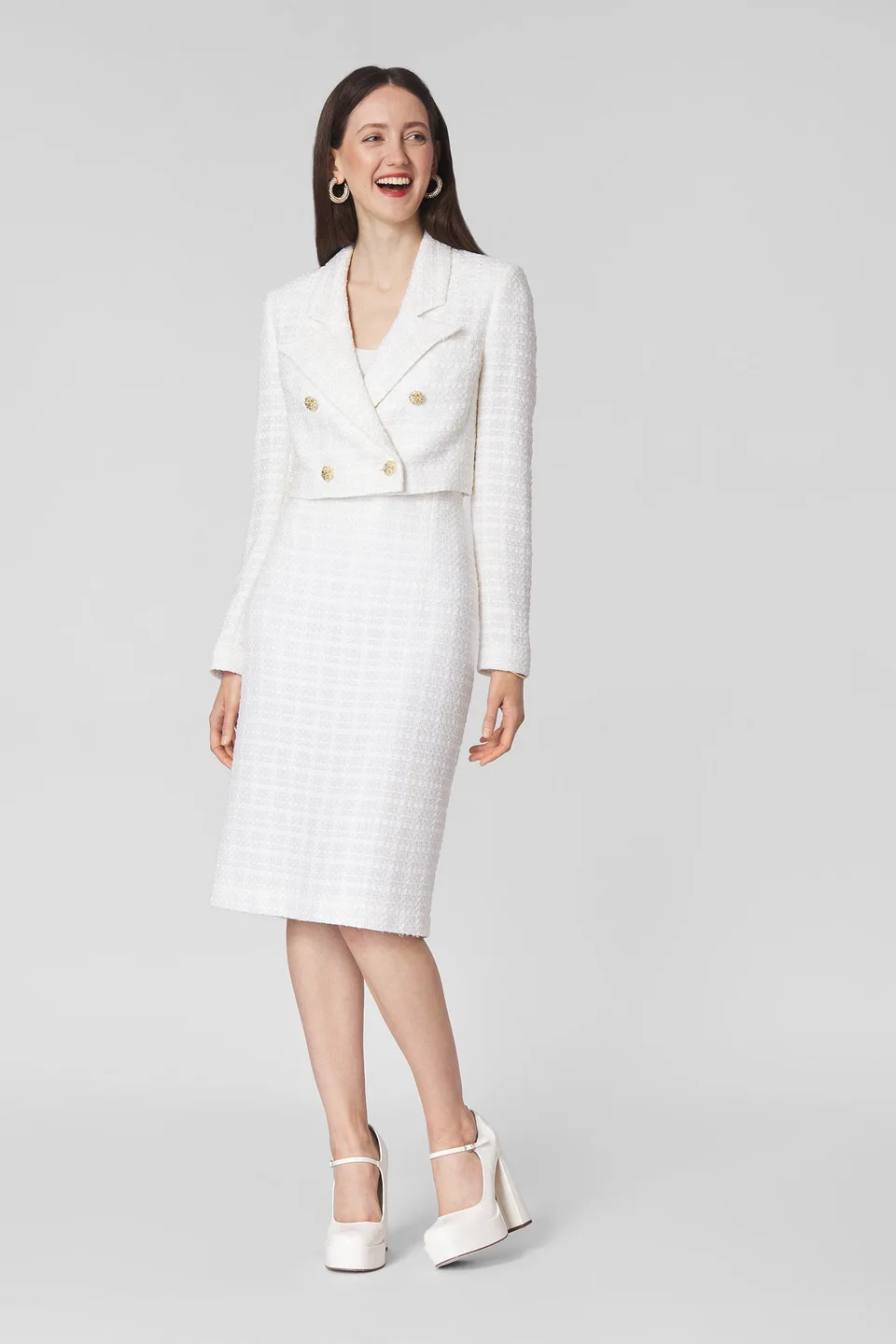
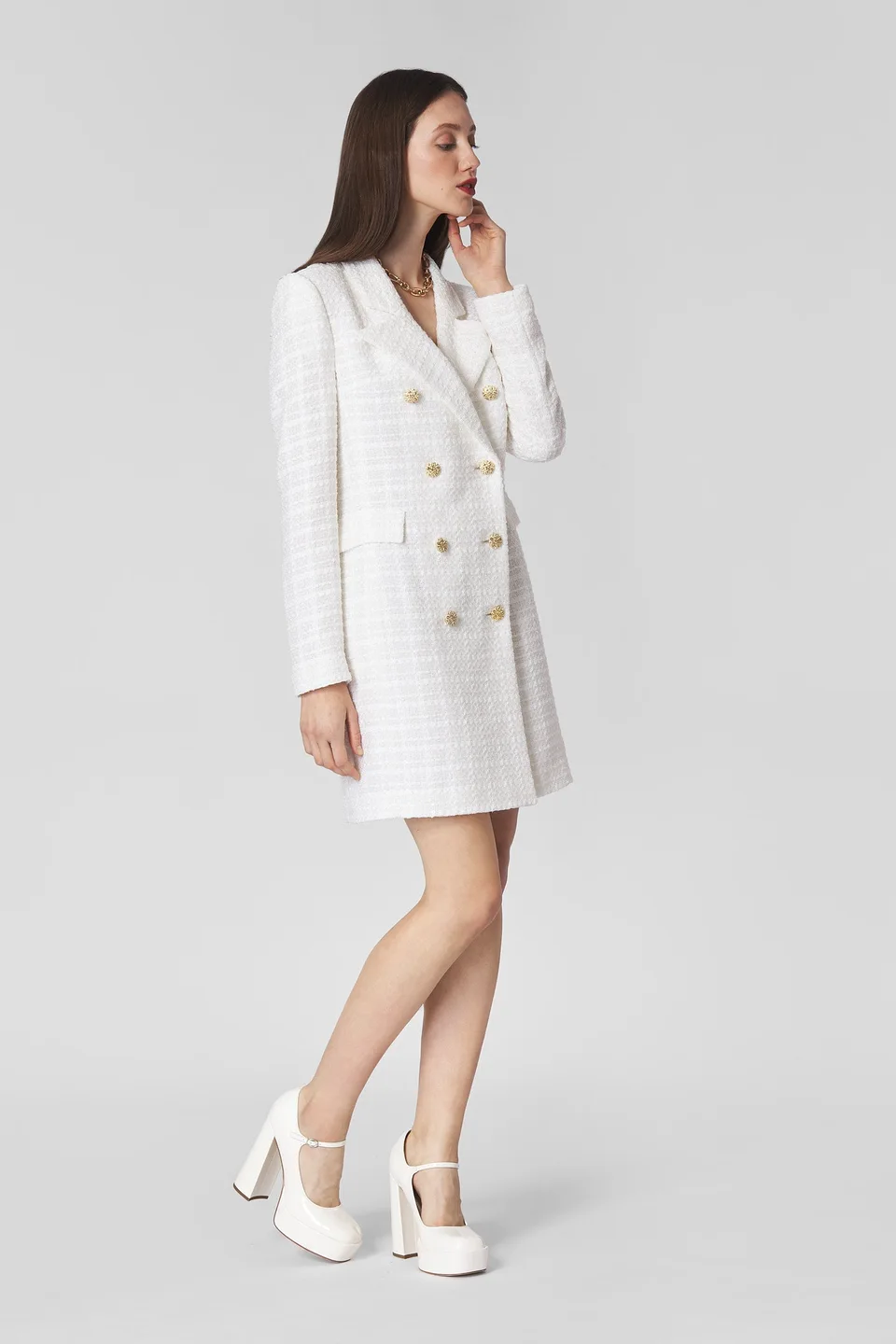
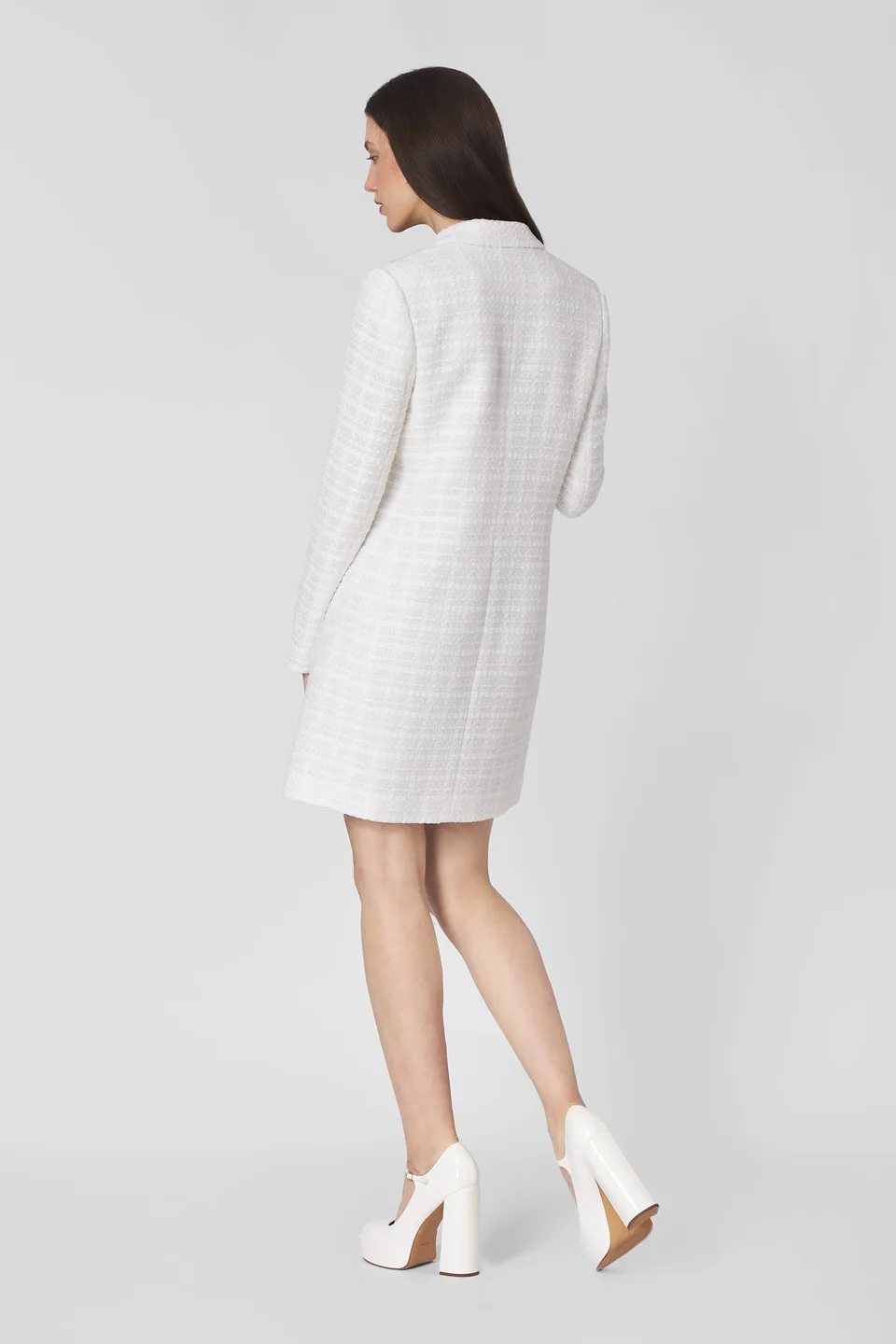
Derby Day, which opens the Melbourne Cup Carnival, has a tradition of black and white for women and morning dress for men, which makes it one of the few race days where white is the colour to wear; the shades are explained in our white tweed jacket guide.
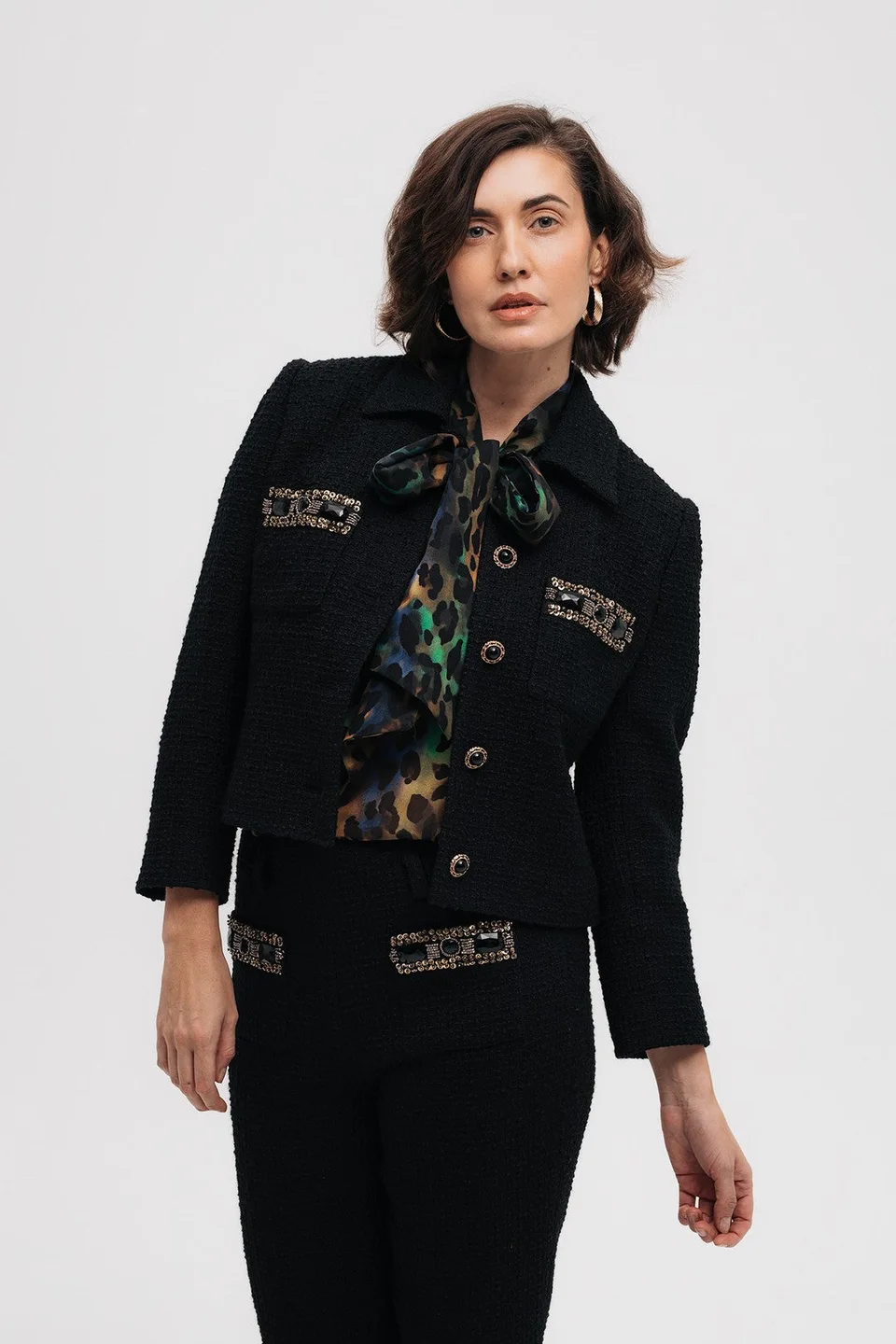
Black and white for Derby Day: a black blazer and a white coat dress, both with gold buttons
A spring day at the races can turn cool by late afternoon, so a tweed jacket over a dress earns its place on the chillier days of the carnival. In Sydney, the Golden Slipper at Rosehill Gardens has been run in March in recent years, in autumn, when tweed is the more natural choice. In New Zealand, the New Zealand Cup is run at Riccarton Park in Christchurch on the last Saturday of Cup week, in the second week of November.
A race day means hours on your feet, much of it on grass, gravel and steps. Stilettos sink into turf; a block heel, a wedge or a smart flat keeps you steady, and in winter a leather boot keeps you warm and dry. Wear the shoes in before the day, because a blister at the first race spoils the rest of it.
On a cold, open course, a warm head matters as much as warm feet, and a houndstooth bucket hat or a wool cap from our hats goes naturally with a tweed outfit at a winter meeting.
Parcels to Ireland and the UK take up to 2 working days by DHL Express, and to Australia and New Zealand up to 4. Some models are made only once ordered, and their product pages say how long that takes, so count it in when you plan around a festival date.
Try the outfit on at home with the layers and shoes you plan to wear, and decide before race day, since only unworn items can go back. For delivery costs, import charges in your country and returns, see the shipping and returns page or the overview by country in our women’s tweed jacket guide; sizes in centimetres are in the size chart, and the tweed dress guide covers a one-piece alternative.
The Cheltenham Festival has no formal dress code. Its organiser notes that many racegoers dress up, asks everyone to dress for the weather and wear suitable footwear, and does not allow fancy dress in the hospitality areas, restaurants or the Club Enclosure. Check the official site before you go, as guidance can change from year to year.
Women at the Melbourne Cup wear elegant daywear with a hat or headpiece: hats have long been expected, smaller headpieces are now accepted as an alternative, and the Fashions on the Field competition for the best-dressed racegoers has run since 1962. Each day of the carnival also has its own flower: the cornflower for Derby Day, the yellow rose for Cup day, the pink rose for Oaks Day and the red rose for Stakes Day.
You need a hat at the races only where your enclosure requires one, as at Royal Ascot (see the table above). At Cheltenham and at Irish meetings, headwear is a choice made for warmth or style. In Australia and New Zealand, ‘fascinator’ can suggest a cheap, mass-produced piece, so ‘headpiece’ is the safer word there.
What to wear to the races in October or November depends on the hemisphere, because those months are autumn in Britain and Ireland and spring in Australia and New Zealand. In Britain and Ireland, a mild October afternoon may need only a tweed jacket over a fine knit, while in November you will probably want a coat over it as well. In Australia and New Zealand, a pale or bright jacket suits the season better than a dark winter tweed.
Trousers are fine at most race meetings; Royal Ascot is the main exception, where trouser suits must follow the rules of each enclosure (see the table above for the Royal Enclosure). Where there is no formal code, as at Cheltenham, tailored wool trousers with a tweed jacket, a fine knit and ankle boots are a warm, practical choice for a cold day, and a jacket that reaches the hip bone balances a wide leg.
A tweed skirt looks best at the races with a jacket in the same or a related tweed, which reads almost as a suit, or with a plain jacket that picks up one of the skirt’s colours. A midi length with a slit or pleat is the easiest for walking and climbing steps; finish with boots in winter and block heels in spring. Jackets and skirts that match are grouped in our Sets collection.
Tweed is a sensible choice for racing in the rain, because the cloth was developed for harsh, wet weather and wool can take up a good deal of moisture before it feels wet. Add a waterproof coat long enough to cover the jacket, leather boots rather than suede, and a hat or cap. Afterwards, let the jacket dry on a hanger at room temperature, away from direct heat, which wool does not tolerate well.
Ladies Day at Galway falls on the Thursday of the summer festival and includes a best-dressed competition with a large prize, so it invites more effort than the smart casual of the rest of the week. Plan a complete outfit rather than a dress with an extra layer: a more formal dress, a hat or headpiece, and a jacket in the same colour family, so that it reads as part of the look.
A tweed jacket chosen for the races is easy to wear again, because the cloth suits an office or a weekend as naturally as a racecourse. On weekdays, wear it over a fine knit with a pencil skirt or tailored trousers; at weekends, with straight jeans and loafers. Houndstooth and burgundy suit autumn and winter; brighter colours carry into spring.
A small bag that leaves your hands free is the most practical choice for the races, because you will hold a race card and a glass and walk between the stands, the parade ring and the bars. A cross-body strap is easiest in a crowd. Choose leather or a sturdy fabric that copes with rain, in a colour that repeats your shoes or the tweed.
Build your race-day outfit around a tweed jacket, then add a skirt from our Sets collection if you want the look of a suit.
founder of MiaGiacca